Pitting and Flaking Concrete Diagnosed Down to the Real Cause
Epp Foundation Repair has inspected salt-damaged and surface-failing concrete across Nebraska, Iowa, Kansas, and Missouri since 1994. Most pitting is cosmetic, but we tell you when it isn't.

Let's take the first step toward a healthy home.
A local specialist will inspect your foundation, walk you through the findings, and send a clear estimate. no cost, no pressure.
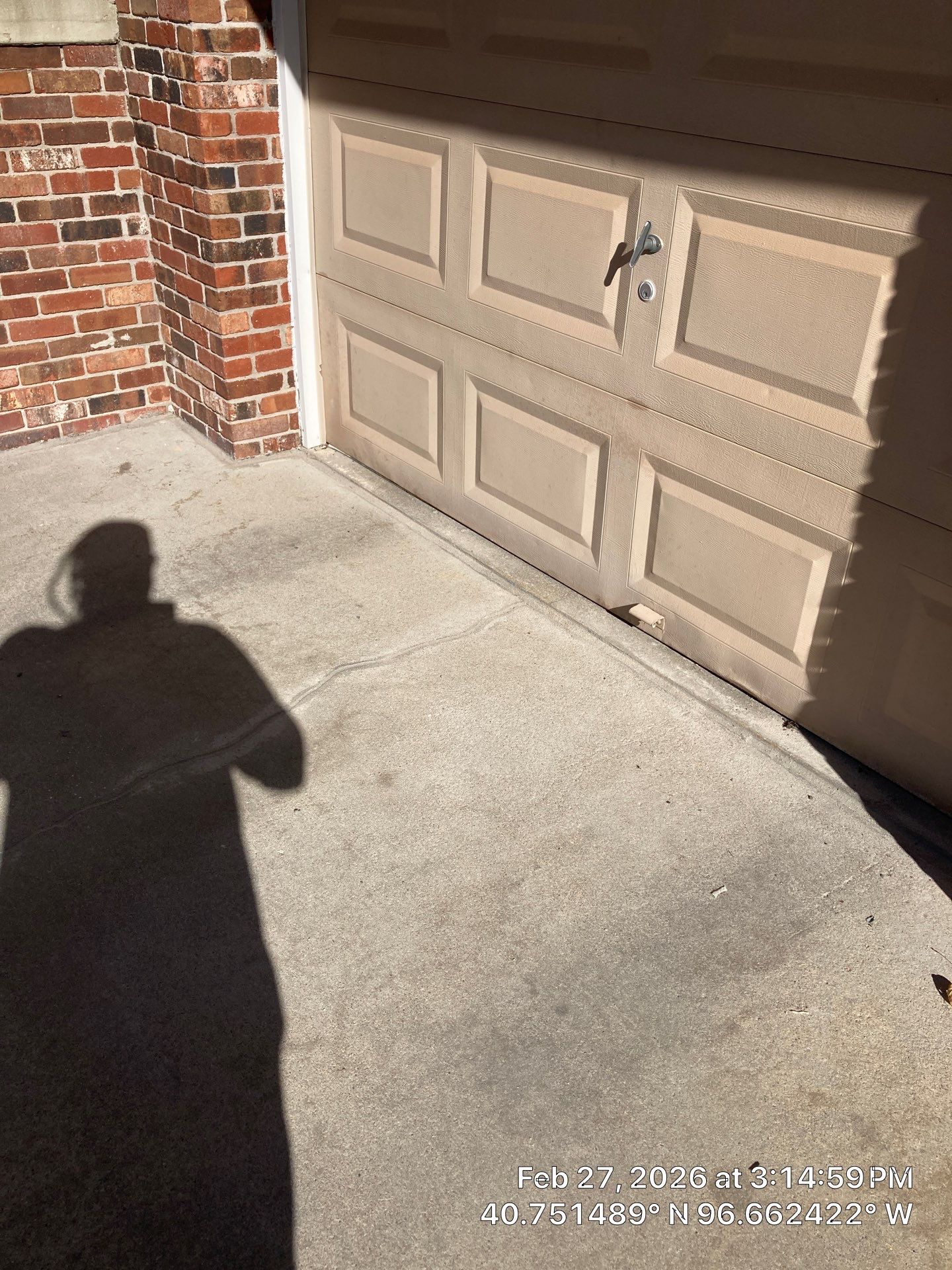
Pitting, Flaking, and Staining on Exterior Concrete: diagnosed and explained.
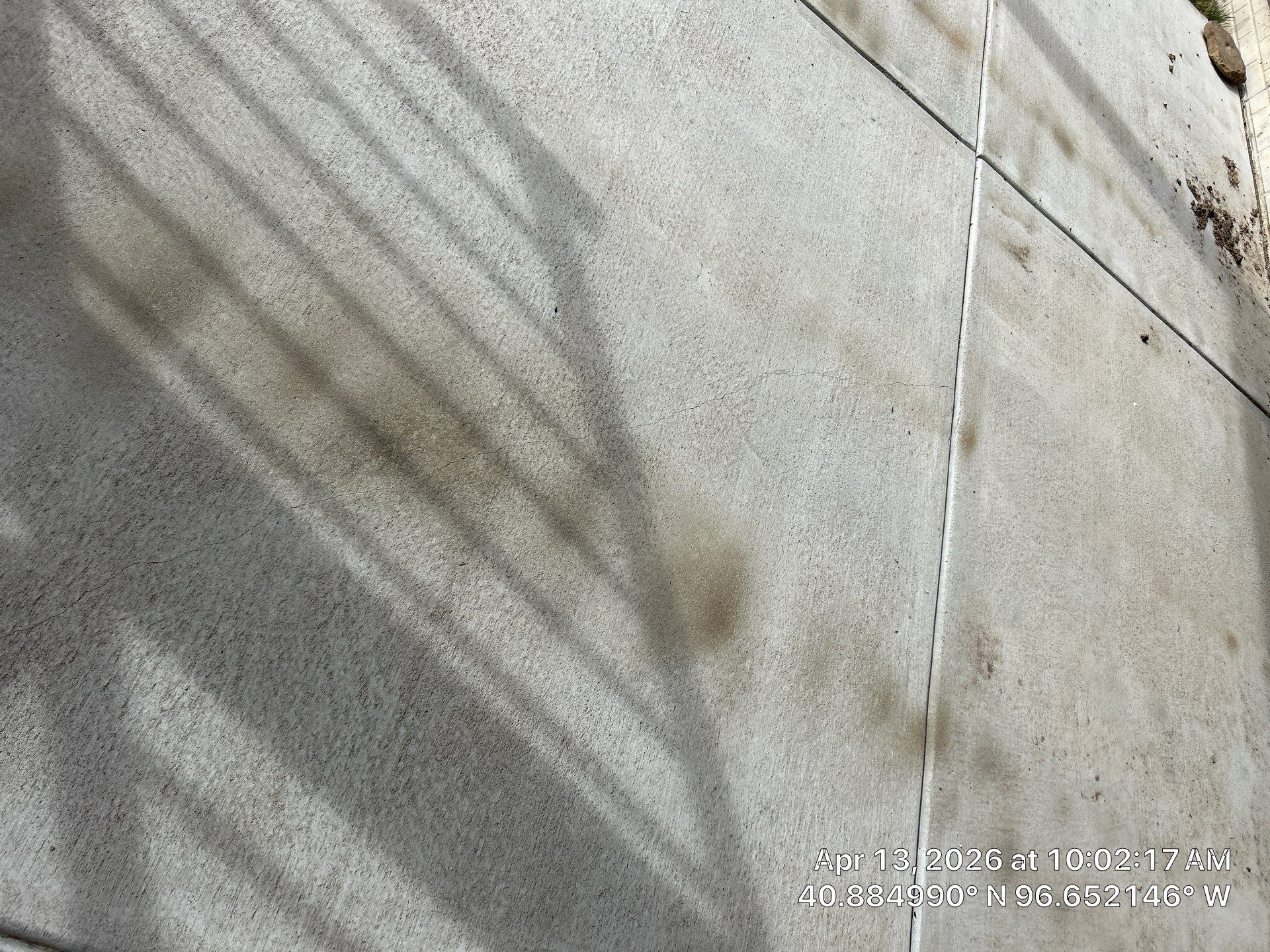
Epp Foundation Repair inspects surface deterioration on driveways, sidewalks, patios, garage aprons, and pool decks throughout a four-state territory where winter de-icing salt and 50 to 110 annual freeze-thaw cycles are the dominant accelerator of concrete surface failure. Dave Epp founded the company in 1994. After three decades of inspections the pattern holds: 80 percent of pitting and flaking calls we look at are cosmetic. The structural slab beneath is sound, but the 20 percent that reach the reinforcement steel below need a different conversation. We tell you which category yours falls into on the first visit, and we tell you when the right answer is a coating contractor, not us.
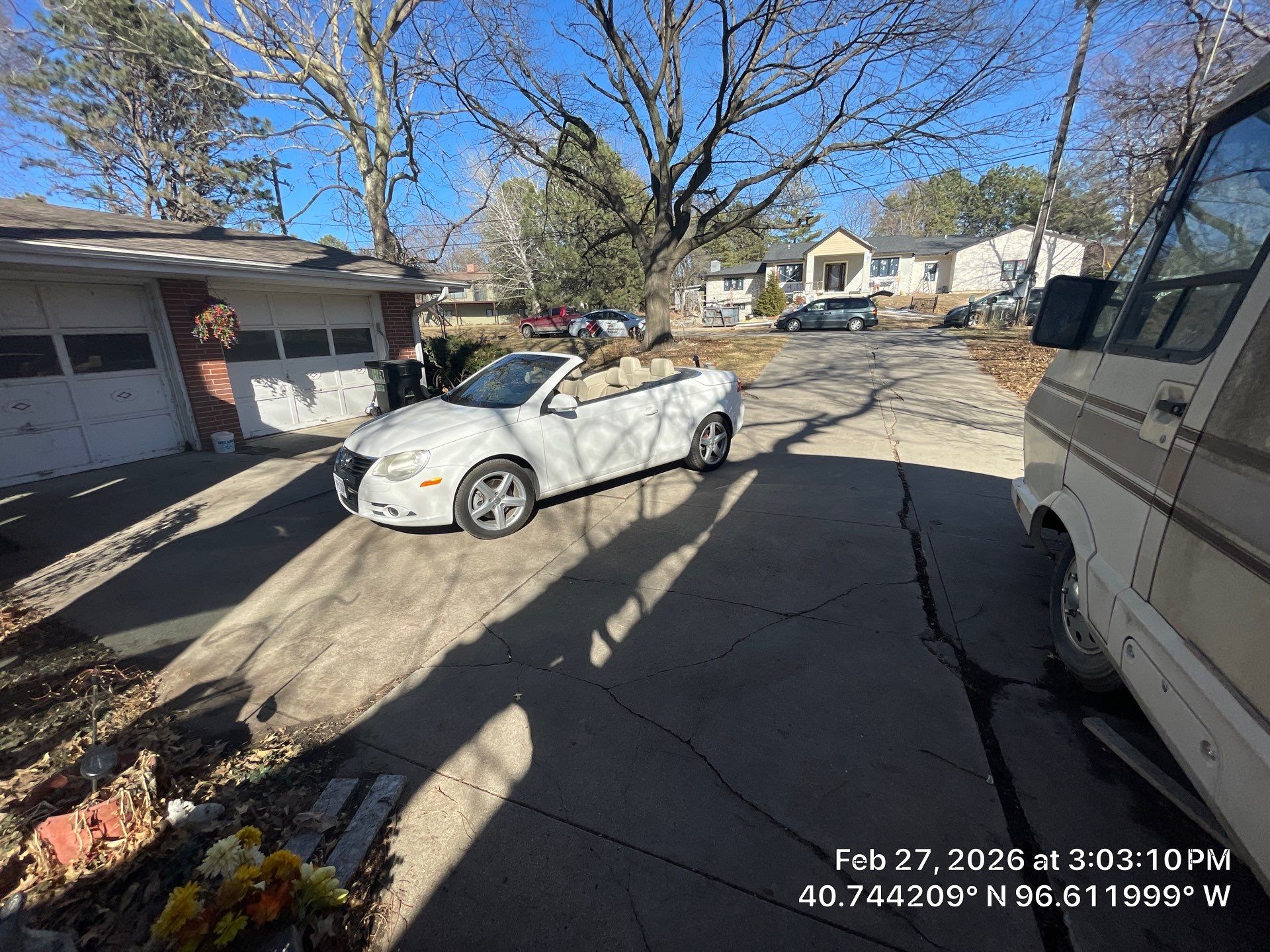
When Surface Deterioration Becomes a Structural Concern
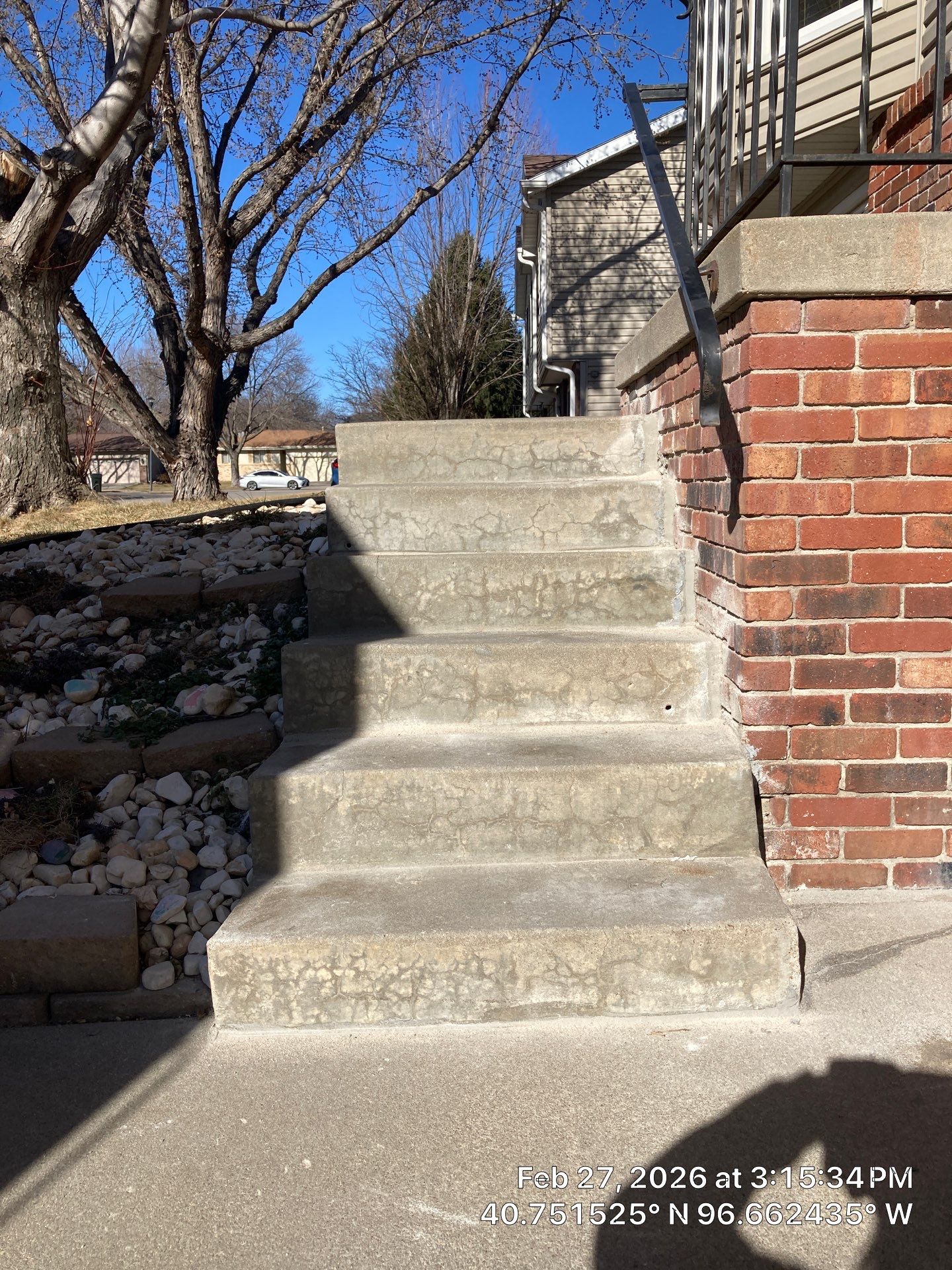
Pits that expose rebar or wire mesh
If you can see metal at the bottom of a pit, the structural reinforcement is now corroding. Corroding rebar expands roughly 4x its original volume and will crack the slab from inside out. This is the one pitting pattern that demands action, not cosmetic patching.
Flaking that has reached 1/2 inch deep or more
Surface flaking that started cosmetic at 1/16 inch can progress to 1/2 inch or deeper if the underlying concrete was poor quality. At that depth, the slab is losing measurable thickness and load capacity.
Soft, crumbly concrete at slab edges
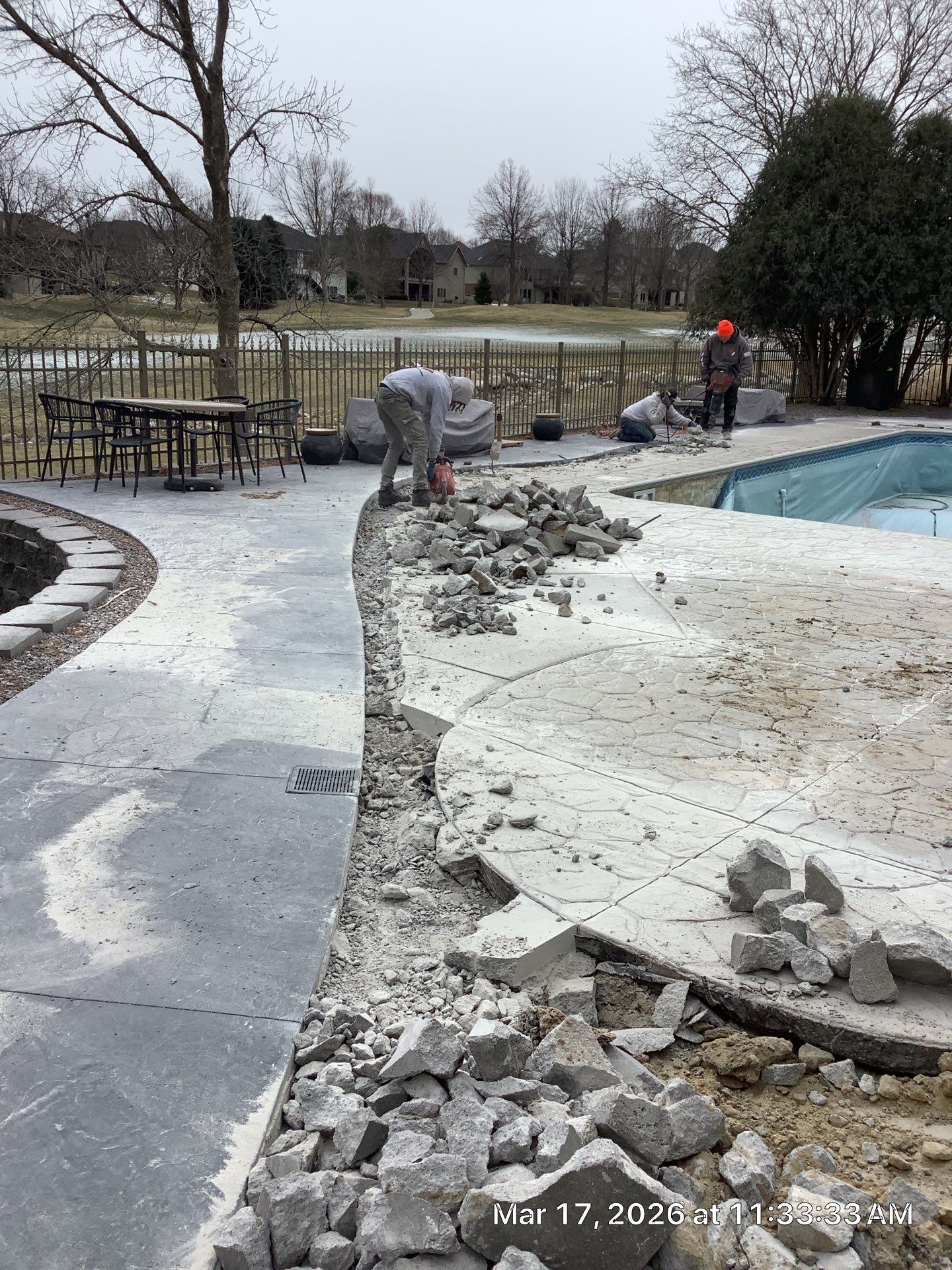
Concrete that can be scraped with a screwdriver or chipped off with a thumbnail is no longer concrete in any structural sense. This is end-stage sulfate attack or salt deterioration and the affected section needs to be removed and replaced, not patched.
Pitting concentrated where snowmelt runs
If pits and flakes follow the path your snowmelt takes off the garage apron or down the sidewalk, salt is the active cause. Changing your de-icing approach. Switching to calcium chloride or sand. Slows the damage. The damage already done does not reverse.
What causes pitting, flaking, and staining on exterior concrete in Midwest homes.
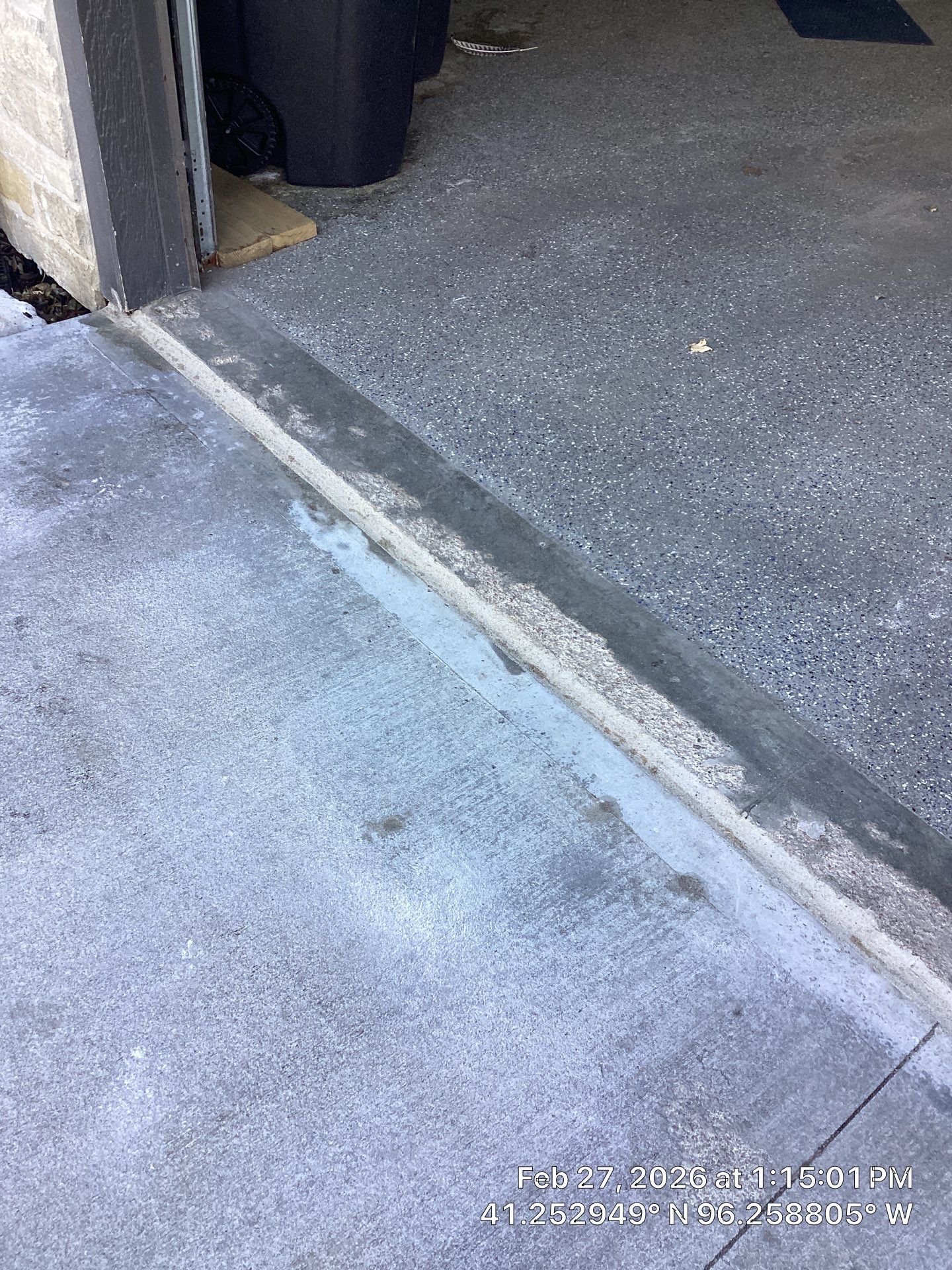
How concrete repair specialists actually fix pitting, flaking, and staining on exterior concrete.
Solving pitting, flaking, and staining on exterior concrete means addressing the underlying soil, pressure, or settlement cause. Not just patching the visible damage. Below are the engineered solutions we install most often for this symptom in Nebraska, Iowa, Kansas, and Missouri homes.
Engineered concrete repair solutions for this problem.
Each method is matched to a specific failure mode and soil profile. Browse the toolkit we draw from when diagnosing your home.
Concrete Patching
Epp Foundation Repair has patched localized concrete damage. Salt-spalled stoops, broken handrail anchors, pitted garage entries. Across Nebraska, Iowa, Kansas, and Missouri since 1994, with the right material matched to the substrate every time.
Concrete Joint & Crack Sealing
Epp Foundation Repair has sealed concrete expansion joints and stable cracks with self-leveling polyurethane across Nebraska, Iowa, Kansas, and Missouri since 1994. Flexible material that handles 50+ freeze-thaw cycles a winter without splitting.
Why concrete fails differently in Nebraska, Iowa, Kansas, and Missouri
Loess soils consolidate under slabs after the first deep water exposure. Expansive clay heaves and contracts seasonally. Salt damage from 60+ freeze-thaw cycles per winter accelerates surface failure. Generic concrete repair ignores the soil under the slab, which is why settled concrete returns within a season or two. Regional repair starts with the cause underneath, not the crack on top.
Loess soils and the crack patterns they produce
Most of eastern Nebraska and western Iowa sits on wind-deposited loess. a fine, silty soil 10 to 200+ feet deep. Loess holds its structure when dry but loses cohesion rapidly when saturated. After a wet spring, saturated loess expands against foundation walls. After a dry Nebraska summer, it contracts. pulling away from footings, creating voids beneath slabs, and producing the vertical and diagonal settlement cracks we see most frequently on the Lincoln, Omaha, Council Bluffs corridor.
The Marshall and Sharpsburg loess series. dominant across the eastern Nebraska service area. are particularly prone to this cyclical volume change. Homes built in the 1960s, 1980s on uncompacted loess backfill show the highest incidence of progressive settlement cracking in our inspection data.
Frost depth, freeze-thaw cycles, and horizontal cracking
Eastern Nebraska's 36, 42" frost penetration depth means the soil below grade freezes and thaws 60, 80 times per year. Each cycle applies lateral pressure to basement walls. A wall that holds through ten cycles can fail in the eleventh if drainage has worsened, backfill has settled, or the wall was already at capacity. Horizontal cracks near the soil grade line are almost always a freeze-thaw story in this region.
In eastern Kansas, expansive clay pockets near the surface introduce a different failure mode . consistent volume change regardless of frost depth. Horizontal cracking in Kansas foundations typically traces to clay expansion; the same pattern in Nebraska more often indicates frost-driven hydrostatic pressure.
"After 30 years of looking at pitted driveways across four states, I'll tell you the truth most contractors won't: 8 times out of 10, that pitting is cosmetic and the right answer is leave it alone or call a coatings company. We're not going to sell you a $4,000 repair on a $200 problem. Dave Epp, Founder"

Care and expertise from a team that's been doing this since 1994.
Epp Foundation Repair is locally owned and operated, with crews dedicated exclusively to foundation, basement, and concrete work across the Midwest.
Foundation repair, waterproofing, and concrete leveling are our entire focus. not a sideline.
Three decades of experience with Midwest soils, basements, and weather conditions.
Recognized in 2011 and 2016 for ethical business practices and customer transparency.
Most product solutions carry 10 to 25-year warranties backed by the original installer.

Answers to common questions about Pitting, Flaking, and Staining on Exterior Concrete.
Don't see your question here? Our team is happy to help. Reach out anytime.
Other concrete repair warning signs to watch for.
If you see one, it's worth checking for the others. Most foundation problems show up as more than one symptom.
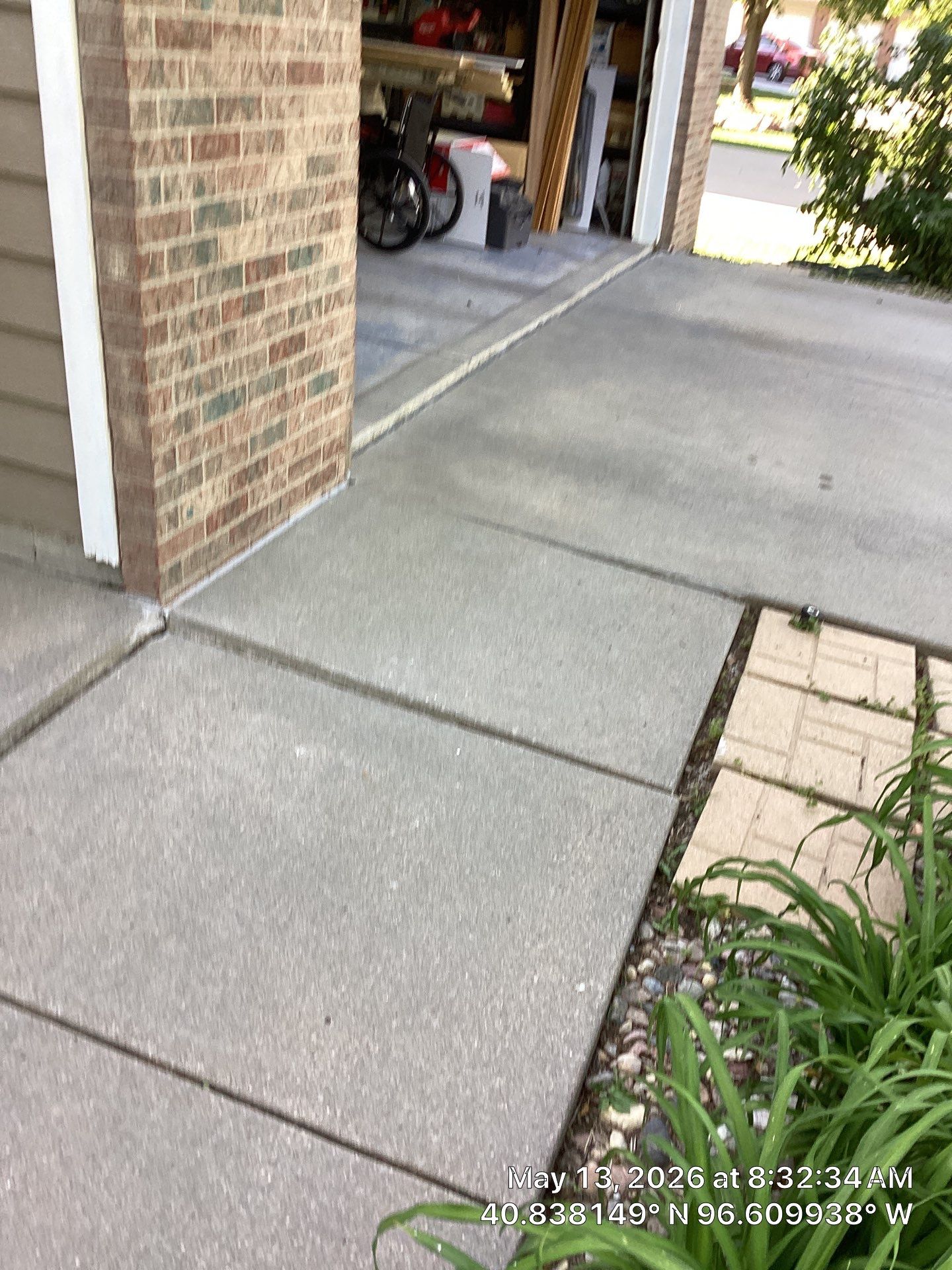
Serving Nebraska, Iowa, Kansas & Missouri.
Local crews based in six regional offices, dispatched daily across four states. If your town isn't listed, call us. we likely serve your area.
- Omaha, NE
- Lincoln, NE
- Des Moines, IA
- Ankeny, IA
- Topeka, KS
- Urbandale, IA
- Sioux City, IA
- West Des Moines, IA
- Bellevue, NE
- St. Joseph, MO
Take the first step toward a healthy home.
A straightforward path from initial inspection to completed repairs.
Schedule your inspection.
A local specialist visits your home, evaluates the foundation, and answers your questions on site. No cost, no obligation.
Receive an estimate based on your needs.
We provide a clear, written estimate with a scope of work tailored to your home's specific issues. Typically within one business day.
Get your repairs.
Our certified crews complete the work on schedule and back it with product warranties of up to 25 years.
Over 1,750 homeowners have shared their experience.
A 4.9-star average across Google, with verified reviews from homeowners throughout Nebraska, Iowa, Kansas, and Missouri.
Two ways to start: book instantly, or request an estimate.
Schedule your inspection in seconds with our Driive booking tool, or share a few details and a local specialist will follow up within one business day.
- A local foundation specialist on site
- A complete walk-through of the findings
- A written estimate within one business day
- No cost, no obligation, no high-pressure sales
Expert guidance on protecting your home.
Practical articles from the Epp team on foundation health, waterproofing, and home preservation.
 foundation-repairFeatured
Why foundation problems are common in Des Moines homes.
Iowa's expansive clay soils and freeze-thaw cycles are particularly hard on residential foundations. A practical guide to what's happening below grade and why local…