Foundation Repair · Problem Signs · Since 1994

Stair-Step Brick Cracks Diagnosed and Foundation Movement Stopped

Epp Foundation Repair has read brick veneer crack patterns across Nebraska, Iowa, Kansas, and Missouri since 1994. Most stair-step cracks are not a brick problem; they are a foundation problem the brick is reporting.

Nebraska · Iowa · Kansas · Missouri Since 1994

Let's take the first step toward a healthy home.

A local specialist will inspect your foundation, walk you through the findings, and send a clear estimate. no cost, no pressure.

Book instantly with Driive
BBB Accredited
Fully Insured
"By Your Side" Guarantee
What this symptom means

Cracked Brick Veneer Diagnosed and Stabilized: diagnosed and explained.

Epp Foundation Repair treats brick cracks as diagnostic evidence, not the disease. Stair-step cracks climbing the mortar joints, vertical splits running straight through brick faces, horizontal cracks at the base course, and diagonal cracks fanning from window and door corners each point to a different underlying foundation movement. Since 1994, Dave Epp and his crew have walked roughly 18,000 homes across Lincoln, Omaha, Des Moines, Grand Island, Norfolk, St. Joseph, and the surrounding counties; in his field notes, more than 70% of stair-step brick cracks trace back to differential settlement on loess soil or a failed lintel, not freeze damage to the brick itself.
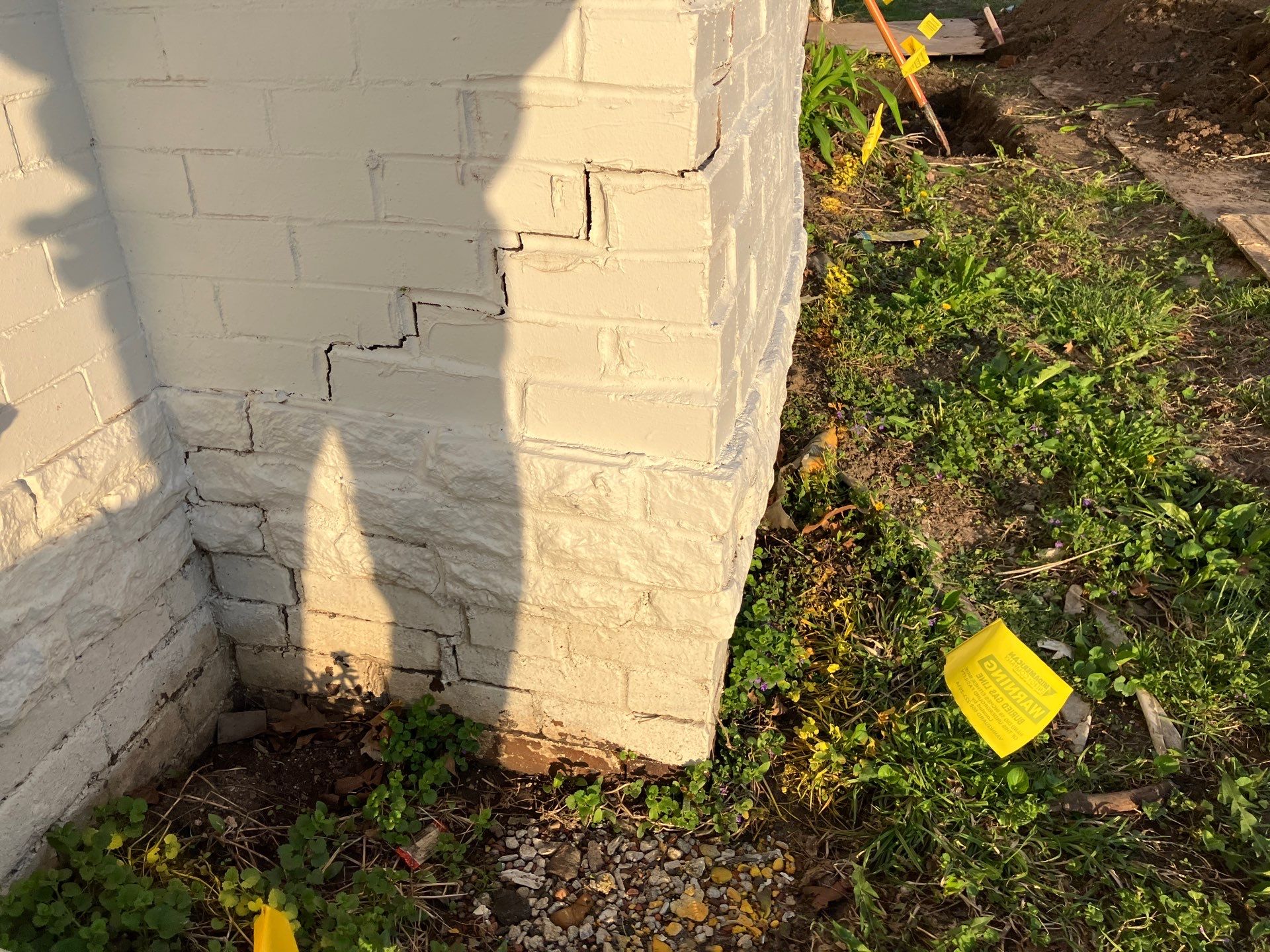
Cracked Brick Veneer Diagnosed and Stabilized diagnosed by Epp Foundation Repair
Catch It Early

Crack Patterns That Demand a Foundation Inspection
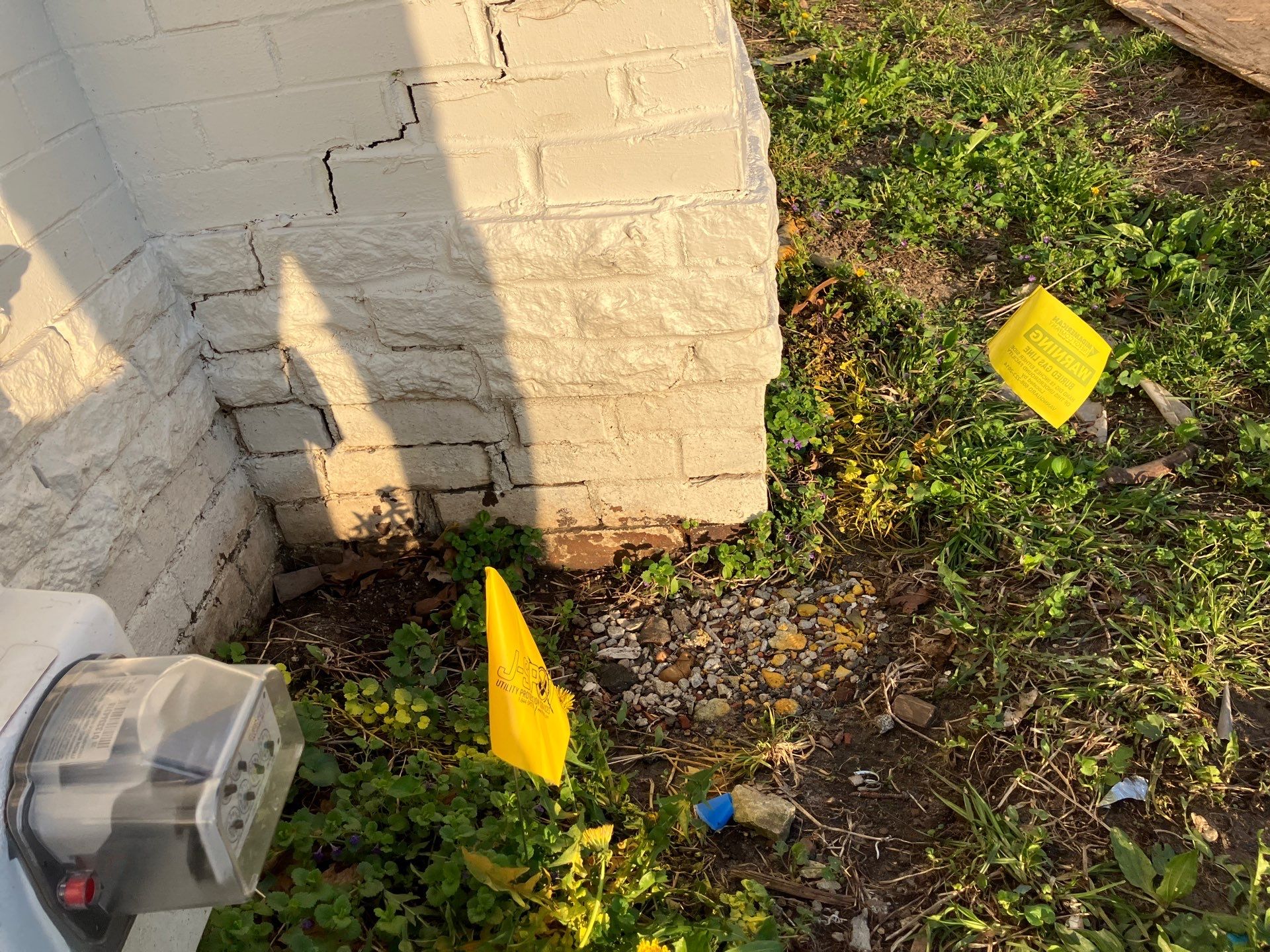
Early warning signs of cracked brick veneer diagnosed and stabilized on a Midwest home
01

Stair-step cracks wider than 1/8 inch following the mortar joints

A stair-step pattern climbing one corner of the house signals differential settlement of the footing beneath it. Width above 1/8 inch, combined with cracks that are wider at the top than the bottom, indicates active rotation of the wall.

02

Vertical cracks running straight through brick faces

A crack that splits the brick itself, not just the mortar, indicates force exceeding the brick's tensile strength. This usually means a lintel has failed, a footing has rotated, or expansive clay has heaved the slab against a non-moving point. Vertical brick-face cracks longer than 18 inches warrant immediate inspection.

03

Diagonal cracks fanning from window and door corners

Diagonal cracks at the upper corners of openings indicate frame distortion. The cause is either a failed lintel directly above the opening or foundation movement racking the entire wall.

04

Brick courses bulging outward or separating from the wall

A brick wythe that has rotated outward at the top, leaving a visible gap behind the brick at the soffit line, is structurally unsafe. Bulging usually indicates wall tie failure, severe lintel sag, or freeze damage to the brick ties themselves.

Most Common Causes

What causes cracked brick veneer diagnosed and stabilized in Midwest homes.
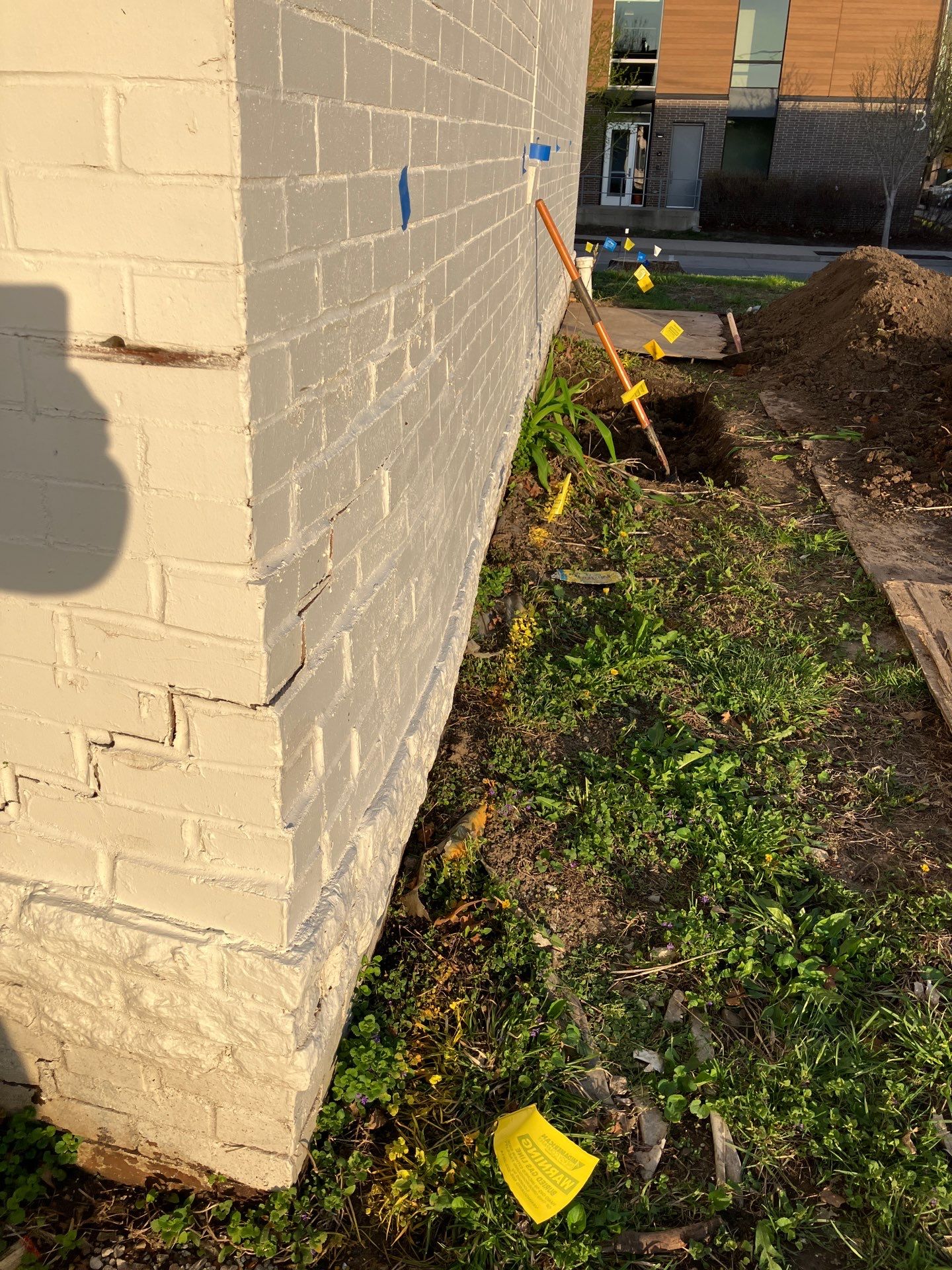
Differential foundation settlement on loess hilltops
Eastern Nebraska and western Iowa sit on loess: a wind-deposited silt that collapses when it gets wet and consolidates unevenly when it dries. When one corner of a footing drops 1/4 to 3/4 of an inch faster than the rest of the perimeter, the rigid brick veneer cannot bend, so it tears along the weakest line. The mortar joints. Producing a classic stair-step crack.
Expansive clay heave or shrinkage
Across Kansas, Missouri, and southeast Nebraska, prairie clay with a plasticity index above 30 can change roughly 15% in volume between saturated and bone-dry conditions. That movement lifts and drops slab edges and perimeter footings on a seasonal cycle, and the brick veneer cracks along whichever mortar joint is weakest. Wide cracks that open in summer drought and partially close after a wet spring are a strong tell for clay-driven movement, not settlement.
Steel lintel failure above windows and doors
Lincoln and Omaha homes built between 1955 and 1985 typically used painted steel angle lintels to carry brick over window and door openings. Forty to seventy years of moisture penetration causes the lintel to rust, expand (steel rust occupies roughly 7x the volume of the original steel), and sag. The brick course above the opening cracks diagonally toward the corners. A pattern often misread as foundation settlement.
Sill plate rot transferring load to brick veneer
Brick veneer is a non-structural skin; the wood-framed wall behind it carries the roof and floor loads. When the sill plate rots from chronic basement moisture or foundation seepage, the framed wall settles into the rotted wood and dumps load onto the brick veneer that was never designed to carry it. Horizontal cracks at the base course or at the band joist line are the result.
Frost heave at shallow brick ledge footings
Nebraska, Iowa, and northern Missouri cycle through 50 or more freeze-thaw events per winter, and the frost line runs 36 to 42 inches deep across the territory. Brick ledges poured shallower than the frost line, common on porches, additions, and 1940s-era detached structures, lift in winter and settle again in spring. The brick veneer above the ledge cracks horizontally near grade. This pattern is rare on the main house but very common on attached porches and chimneys.
Underlying cause of cracked brick veneer diagnosed and stabilized in Midwest homes
Permanent Solutions

How foundation repair specialists actually fix cracked brick veneer diagnosed and stabilized.

Solving cracked brick veneer diagnosed and stabilized means addressing the underlying soil, pressure, or settlement cause. Not just patching the visible damage. Below are the engineered solutions we install most often for this symptom in Nebraska, Iowa, Kansas, and Missouri homes.

Foundation Repair solutions
Regional Context

Why foundation movement in Nebraska and Iowa needs a regional diagnosis

Loess soils across eastern Nebraska and western Iowa lose strength when wet. Expansive clay across northeast Kansas and northwest Missouri swells and shrinks with the seasons. Foundation movement here behaves differently than in states with stable bearing soil, which is why our diagnosis starts with the soil under the home, not just the crack on the wall.

36 to 42"
Frost penetration depth
Eastern Nebraska average
60 to 80
Freeze-thaw cycles / year
Lincoln to Omaha corridor
35 to 40"
Annual precipitation
NE / IA service region
30+
Years of regional inspections
30,000+ homes assessed

Loess soils and the crack patterns they produce

Most of eastern Nebraska and western Iowa sits on wind-deposited loess. a fine, silty soil 10 to 200+ feet deep. Loess holds its structure when dry but loses cohesion rapidly when saturated. After a wet spring, saturated loess expands against foundation walls. After a dry Nebraska summer, it contracts. pulling away from footings, creating voids beneath slabs, and producing the vertical and diagonal settlement cracks we see most frequently on the Lincoln, Omaha, Council Bluffs corridor.

The Marshall and Sharpsburg loess series. dominant across the eastern Nebraska service area. are particularly prone to this cyclical volume change. Homes built in the 1960s, 1980s on uncompacted loess backfill show the highest incidence of progressive settlement cracking in our inspection data.

Frost depth, freeze-thaw cycles, and horizontal cracking

Eastern Nebraska's 36, 42" frost penetration depth means the soil below grade freezes and thaws 60, 80 times per year. Each cycle applies lateral pressure to basement walls. A wall that holds through ten cycles can fail in the eleventh if drainage has worsened, backfill has settled, or the wall was already at capacity. Horizontal cracks near the soil grade line are almost always a freeze-thaw story in this region.

In eastern Kansas, expansive clay pockets near the surface introduce a different failure mode . consistent volume change regardless of frost depth. Horizontal cracking in Kansas foundations typically traces to clay expansion; the same pattern in Nebraska more often indicates frost-driven hydrostatic pressure.

"On a loess hilltop in southeast Lincoln, I have watched the same stair-step crack pattern climb the southwest corner of three different houses on the same block. The pattern is not a brick problem. The brick is reading the foundation, and the foundation is reading the soil."

Dave Epp
Dave Epp
President, Epp Foundation Repair
Why Choose Epp

Care and expertise from a team that's been doing this since 1994.

Epp Foundation Repair is locally owned and operated, with crews dedicated exclusively to foundation, basement, and concrete work across the Midwest.

Specialized expertise.

Foundation repair, waterproofing, and concrete leveling are our entire focus. not a sideline.

Locally owned since 1994.

Three decades of experience with Midwest soils, basements, and weather conditions.

BBB Integrity Award winner.

Recognized in 2011 and 2016 for ethical business practices and customer transparency.

Warrantied solutions.

Most product solutions carry 10 to 25-year warranties backed by the original installer.

EPP · SINCE 1994

Why hire Epp Foundation Repair.

MEET THE TEAM · 2 MIN
Frequently Asked Questions

Answers to common questions about Cracked Brick Veneer Diagnosed and Stabilized.

Don't see your question here? Our team is happy to help. Reach out anytime.

It depends on width, length, and whether it is still moving. A hairline stair-step crack under 1/16 inch that has not grown in two years is usually historic settlement and cosmetic. A crack wider than 1/8 inch, longer than four courses, or wider at the top than the bottom is almost always active differential settlement and warrants pier work. The reliable test is a crack monitor and a 30 to 90 day re-measure. Epp Foundation Repair does not recommend structural work until the monitor data confirms active movement.

Pricing ranges above are general estimates only and are not project quotes. A precise figure is provided on each written estimate after on-site inspection.
Related Problem Signs

Other foundation repair warning signs to watch for.

If you see one, it's worth checking for the others. Most foundation problems show up as more than one symptom.
Bouncing Floors
01

Bouncing Floors

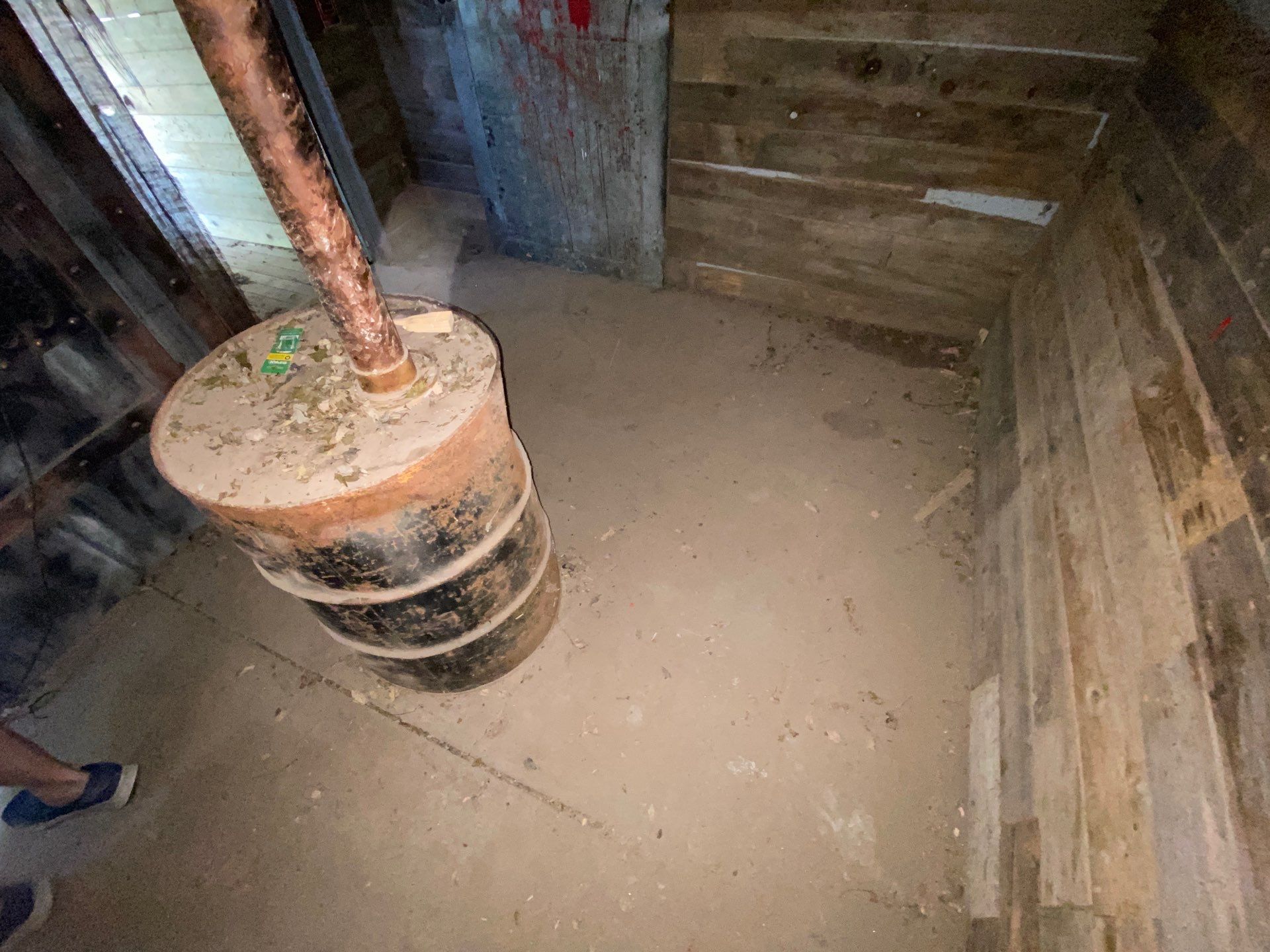
Bouncing floors happen when the framing that holds your floor up loses solid support. In a home with a basement or crawl space, that support comes from beams, joists, and the foundation walls or piers under them. When the soil beneath a footing settles, or a support post sinks, the framing spans a longer unsupported distance and starts to flex underfoot. In eastern Nebraska and western Iowa, settlement is usually tied to expansive clay and loess soils that swell when wet and shrink when dry, plus 50 to 70 freeze-thaw cycles a year that work the soil loose. A little flex in an old floor is common. The threshold that matters is when the bounce is new, getting worse, or paired with sloping floors and cracks. At that point the support is actively moving, not just settled once and stable. Catching it early often means a pier or a few crawl space jacks instead of replacing rotted framing or releveling a whole room later.

Learn More
03

Carpenter Ant Infestation

Carpenter ants are a moisture clue more than a pest problem. Unlike termites, they do not eat wood for food. They hollow out galleries to nest in, and they strongly prefer wood that is already damp, soft, or beginning to break down. That is why a colony in a floor joist, sill plate, or crawl space beam usually points to a water source nearby. In Nebraska, Iowa, Kansas, and Missouri, the moisture often comes from a humid crawl space, poor drainage against the foundation, or seepage through a foundation wall after spring rain and snowmelt. The high water table in the Missouri River basin near Omaha, Bellevue, and Council Bluffs makes damp framing common. The threshold that matters is finding ants together with soft or damaged structural wood, because that means the moisture has been present long enough to weaken framing. Calling a pest company kills the ants, but if the underlying dampness stays, the wood keeps degrading and the ants tend to return. Epp does not do pest control or wood rot repair. What Epp addresses is the moisture and any structural support the dampness has compromised. Drying the wood out is the durable answer; the ants lose their reason to stay.

Learn More
Ceiling Gaps
04

Ceiling Gaps

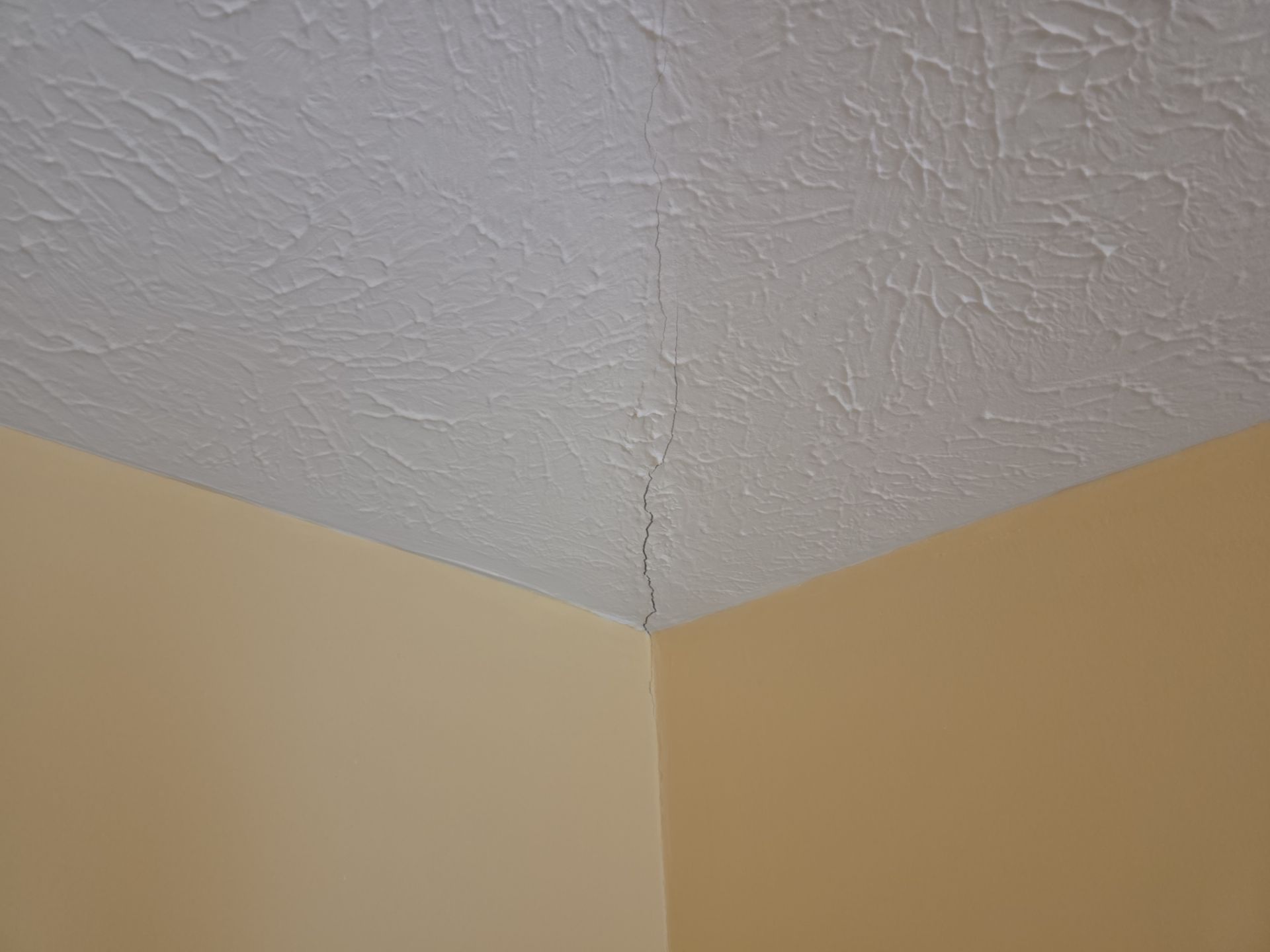
A gap between the wall and ceiling forms when two parts of your home shift in different directions. The wall is anchored to the floor framing below, and the ceiling is tied to the roof framing above. When a foundation settles unevenly, or soil heaves and lifts one area, the framing twists and a separation opens at the joint. In Nebraska, Iowa, Kansas, and Missouri, the usual driver is soil that moves with moisture. Expansive clay and loess swell after spring rain and snowmelt, then shrink in dry summers, and the cycle drags the structure with it. Freeze-thaw action, 50 to 70 cycles a year in eastern Nebraska and western Iowa, adds to the movement. A hairline cosmetic crack at a ceiling line can come from normal seasonal change. The threshold that matters is a gap you can fit a coin into, a gap that keeps widening, or one paired with sticking doors and cracks elsewhere. That pattern points to active foundation movement, not just settled paint. Addressing the cause early, rather than caulking the gap, keeps the movement from spreading to floors, walls, and the roofline.

Learn More
Cracked Block Foundation
05

Cracked Block Foundation

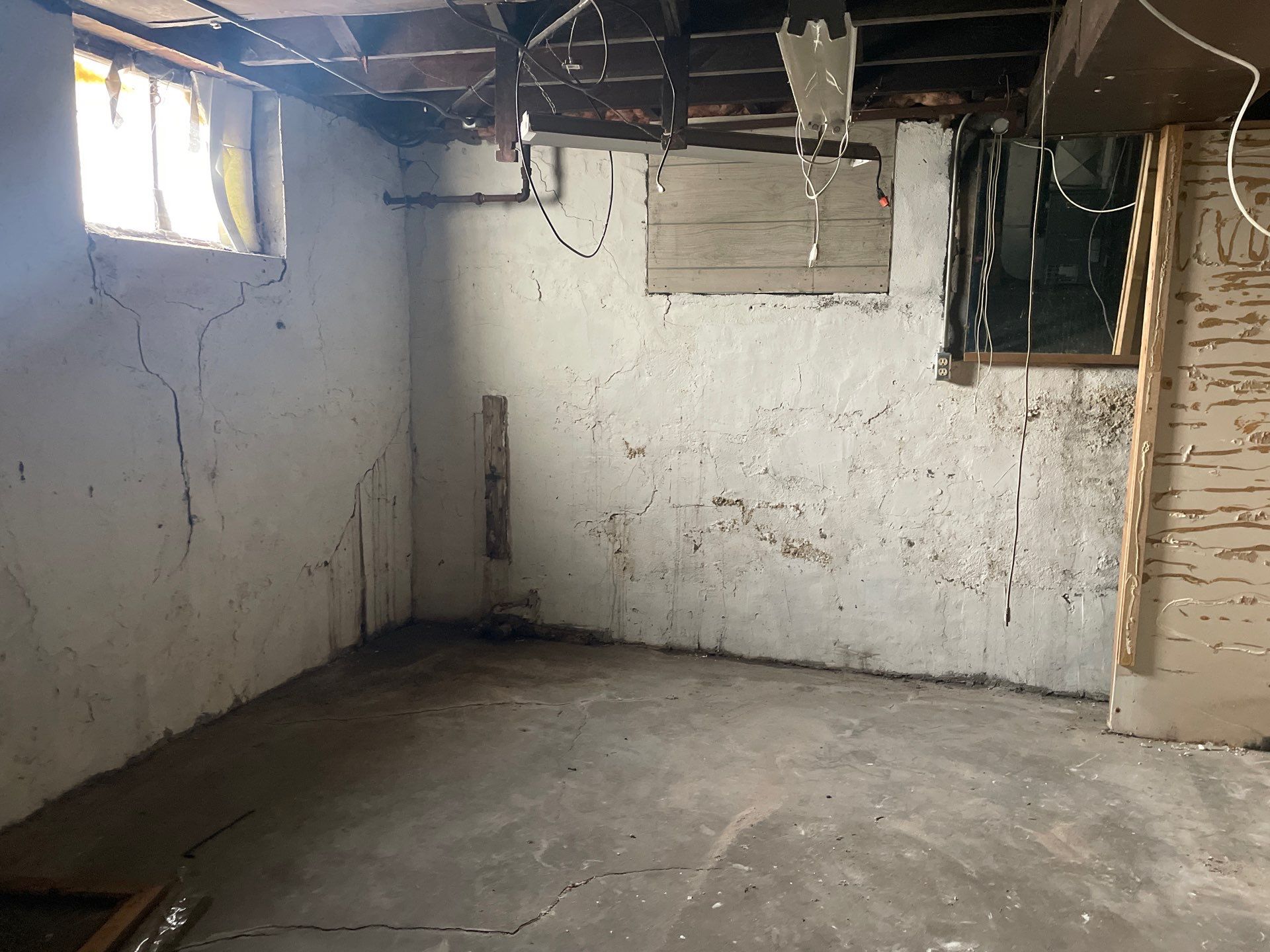
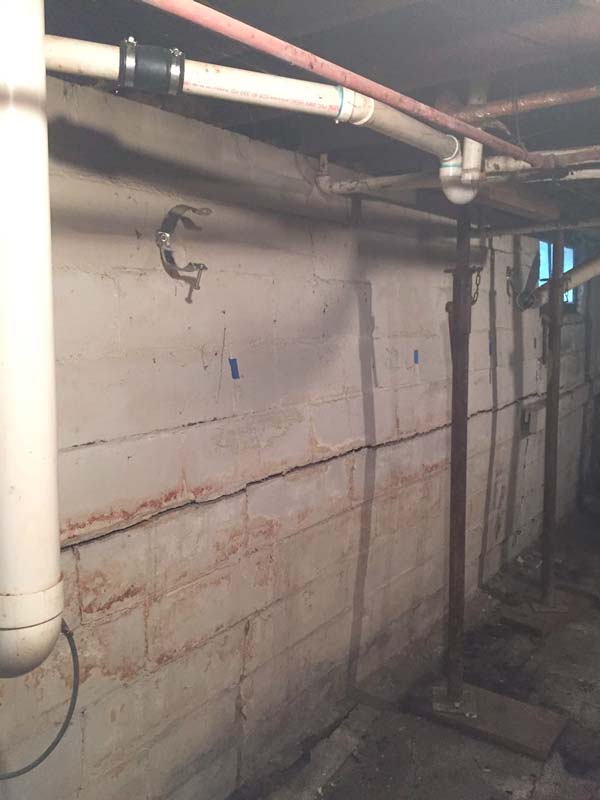
Block foundations crack along the mortar joints because that is the weakest path through the wall. The pattern tells the story. Stair-step cracks that follow the joints up and across usually mean uneven settlement, where one part of the footing has dropped into soft soil. Vertical cracks often come from shrinkage or minor settlement. Horizontal cracks running along the middle of the wall are the most serious, because they signal lateral soil pressure pushing the wall inward. In eastern Nebraska and western Iowa, the drivers are familiar: expansive clay and loess backfill, saturated soil after spring rain and snowmelt, and 50 to 70 freeze-thaw cycles a year. Concrete block handles compression well, around 3,000 to 4,000 psi, but resists tension and bending poorly, only about 300 to 400 psi, which is why pressure cracks the joints. The threshold that matters is a horizontal crack, a crack wider than about an eighth of an inch, a stair-step crack that keeps growing, or any crack paired with inward bowing. Those mean the wall is actively moving, not just cured and settled. Catching it before the wall passes roughly 2 inches of inward deflection is the difference between stabilizing in place and replacing the wall.

Learn More
Cracks in Door Frames, Ceilings, and Corners
06

Cracks in Door Frames, Ceilings, and Corners

Cracks gather at door frames, ceiling lines, and corners because those are the natural weak points in a wall. Openings interrupt the framing, and corners and ceiling joints are where different planes meet, so stress concentrates there first. A few hairline cracks after a new home settles, or fine lines where the ceiling meets the wall, are common and often cosmetic. The concern is a pattern that grows. In eastern Nebraska and western Iowa, that pattern usually traces to foundation movement driven by expansive clay and loess soils that swell when wet and shrink when dry, combined with 50 to 70 freeze-thaw cycles a year and frost reaching 36 to 42 inches. As one part of the foundation settles or heaves, the framing racks and the drywall tears at its weakest joints. The threshold worth watching is width and direction. Cracks wider than about an eighth of an inch, cracks that angle off a door corner, or cracks that keep lengthening point to active movement. Catching it early matters because the same shift that opens a corner crack will keep working through the framing, and patching the drywall without addressing the foundation simply lets the cracks reopen.

Learn More
Service Areas

Serving Nebraska, Iowa, Kansas & Missouri.

Local crews based in six regional offices, dispatched daily across four states. If your town isn't listed, call us. we likely serve your area.

Top cities we serve
Check Your Service Area
Our Process

Take the first step toward a healthy home.

A straightforward path from initial inspection to completed repairs.

Step 01

Schedule your inspection.

A local specialist visits your home, evaluates the foundation, and answers your questions on site. No cost, no obligation.

Step 02

Receive an estimate based on your needs.

We provide a clear, written estimate with a scope of work tailored to your home's specific issues. Typically within one business day.

Step 03

Get your repairs.

Our certified crews complete the work on schedule and back it with product warranties of up to 25 years.

Customer Reviews

Over 1,750 homeowners have shared their experience.

A 4.9-star average across Google, with verified reviews from homeowners throughout Nebraska, Iowa, Kansas, and Missouri.

Free Estimate

Two ways to start: book instantly, or request an estimate.

Schedule your inspection in seconds with our Driive booking tool, or share a few details and a local specialist will follow up within one business day.

What to expect
  • A local foundation specialist on site
  • A complete walk-through of the findings
  • A written estimate within one business day
  • No cost, no obligation, no high-pressure sales
Prefer to call
402-423-9192
Nebraska · Iowa · Kansas · MissouriSince 1994
Epp Foundation Repair

Let's take the first step toward a healthy home.

A local specialist will inspect your foundation, walk you through the findings, and send a clear estimate. no cost, no pressure.

Book instantly with Driive
BBB Accredited
Fully Insured
"By Your Side" Guarantee
Our Locations

Six regional offices across the Midwest.

See all service areas
Lincoln, NE
Epp Foundation Repair
1133 Libra Dr
Lincoln, NE 68512
402-566-5265
Omaha, NE
Epp Foundation Repair
12305 Gold St, Ste 2
Omaha, NE 68144
402-521-5081
Grand Island, NE
Epp Foundation Repair
802 Bronze Rd
Grand Island, NE 68803
308-303-3944
Norfolk, NE
Epp Foundation Repair
1105 S 13th St, Ste 205
Norfolk, NE 68701
402-792-4092
Clive, IA
Epp Foundation Repair
2175 NW 86th St #14c
Clive, IA 50325
515-349-5562
St. Joseph, MO
Epp Foundation Repair
2400 Frederick Ave, Suite 315
St. Joseph, MO 64506
816-549-2672