Crawl Space Encapsulation · Since 1994

Crawl-Space Drainage Built Inside a Sealed and Conditioned Encapsulation Envelope.

A vented Midwest crawl with seepage and standalone drainage still sits at 70% to 80% summer humidity. The water leaves, the moisture stays. Serving Nebraska, Iowa, Kansas, and Missouri since 1994, Epp Foundation Repair installs encapsulation-integrated drainage as one system. Low-profile perimeter waffle matting channels seepage to a sealed sump pit, a cast-iron pump discharges outside the foundation, and the surrounding sealed vapor barrier plus commercial dehumidifier hold the crawl at 50% to 55% relative humidity year-round. The drainage and the humidity control work as one envelope, not as two unrelated scopes.

Nebraska · Iowa · Kansas · Missouri Since 1994

Let's take the first step toward a healthy home.

A local specialist will inspect your foundation, walk you through the findings, and send a clear estimate. no cost, no pressure.

Book instantly with Driive
BBB Accredited
Fully Insured
"By Your Side" Guarantee
Regional Context

Why crawl space encapsulation works in Nebraska and Iowa

Summer dew points above 65 degrees, winter humidity swings of 30 to 40 percentage points, and dirt-floor crawl spaces under most 1950s to 1990s homes combine to drive moisture, mold, and cold floors. Encapsulation cuts the moisture path at the source, which is the only durable fix in this climate.

36 to 42"
Frost penetration depth
Eastern Nebraska average
60 to 80
Freeze-thaw cycles / year
Lincoln to Omaha corridor
35 to 40"
Annual precipitation
NE / IA service region
30+
Years of regional inspections
30,000+ homes assessed

Loess soils and the crack patterns they produce

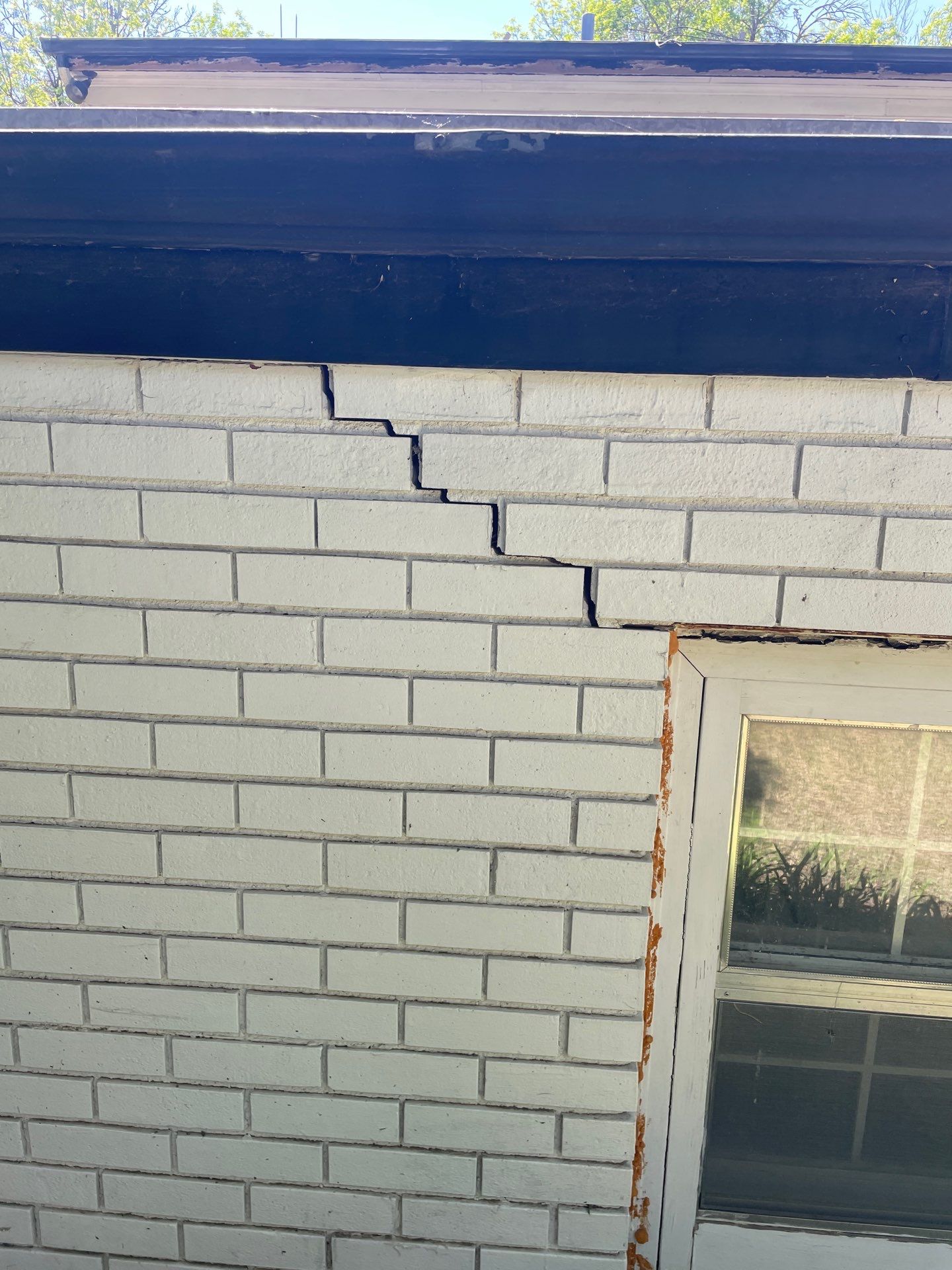
Most of eastern Nebraska and western Iowa sits on wind-deposited loess. a fine, silty soil 10 to 200+ feet deep. Loess holds its structure when dry but loses cohesion rapidly when saturated. After a wet spring, saturated loess expands against foundation walls. After a dry Nebraska summer, it contracts. pulling away from footings, creating voids beneath slabs, and producing the vertical and diagonal settlement cracks we see most frequently on the Lincoln, Omaha, Council Bluffs corridor.

The Marshall and Sharpsburg loess series. dominant across the eastern Nebraska service area. are particularly prone to this cyclical volume change. Homes built in the 1960s, 1980s on uncompacted loess backfill show the highest incidence of progressive settlement cracking in our inspection data.

Frost depth, freeze-thaw cycles, and horizontal cracking

Eastern Nebraska's 36, 42" frost penetration depth means the soil below grade freezes and thaws 60, 80 times per year. Each cycle applies lateral pressure to basement walls. A wall that holds through ten cycles can fail in the eleventh if drainage has worsened, backfill has settled, or the wall was already at capacity. Horizontal cracks near the soil grade line are almost always a freeze-thaw story in this region.

In eastern Kansas, expansive clay pockets near the surface introduce a different failure mode . consistent volume change regardless of frost depth. Horizontal cracking in Kansas foundations typically traces to clay expansion; the same pattern in Nebraska more often indicates frost-driven hydrostatic pressure.

Problem Signs

What Is Your Home Trying to Tell You?

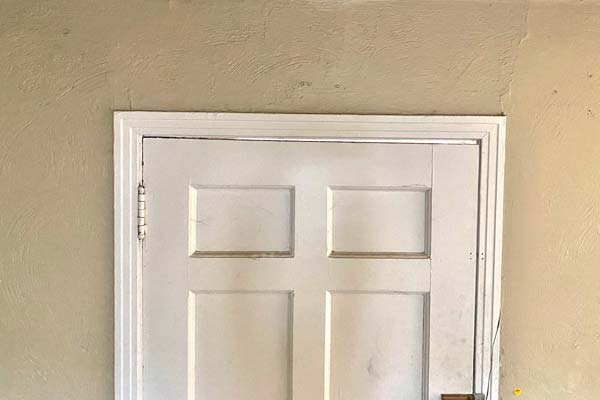
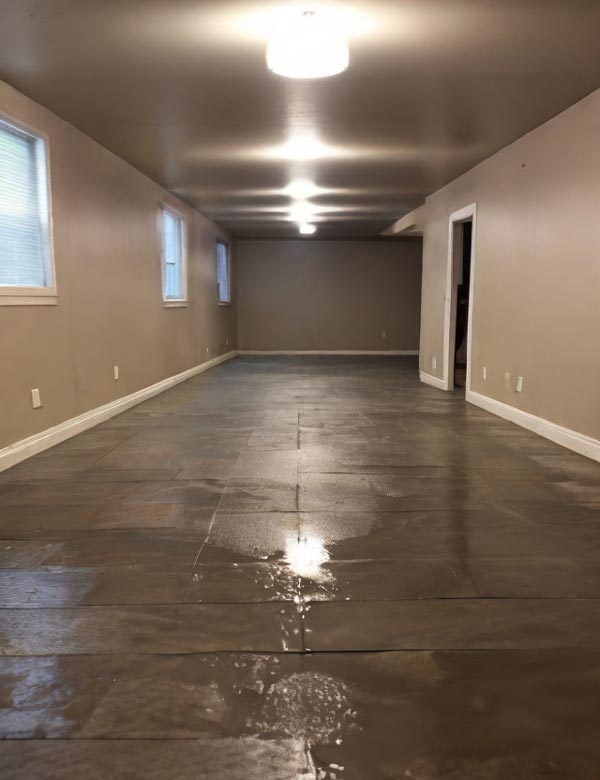
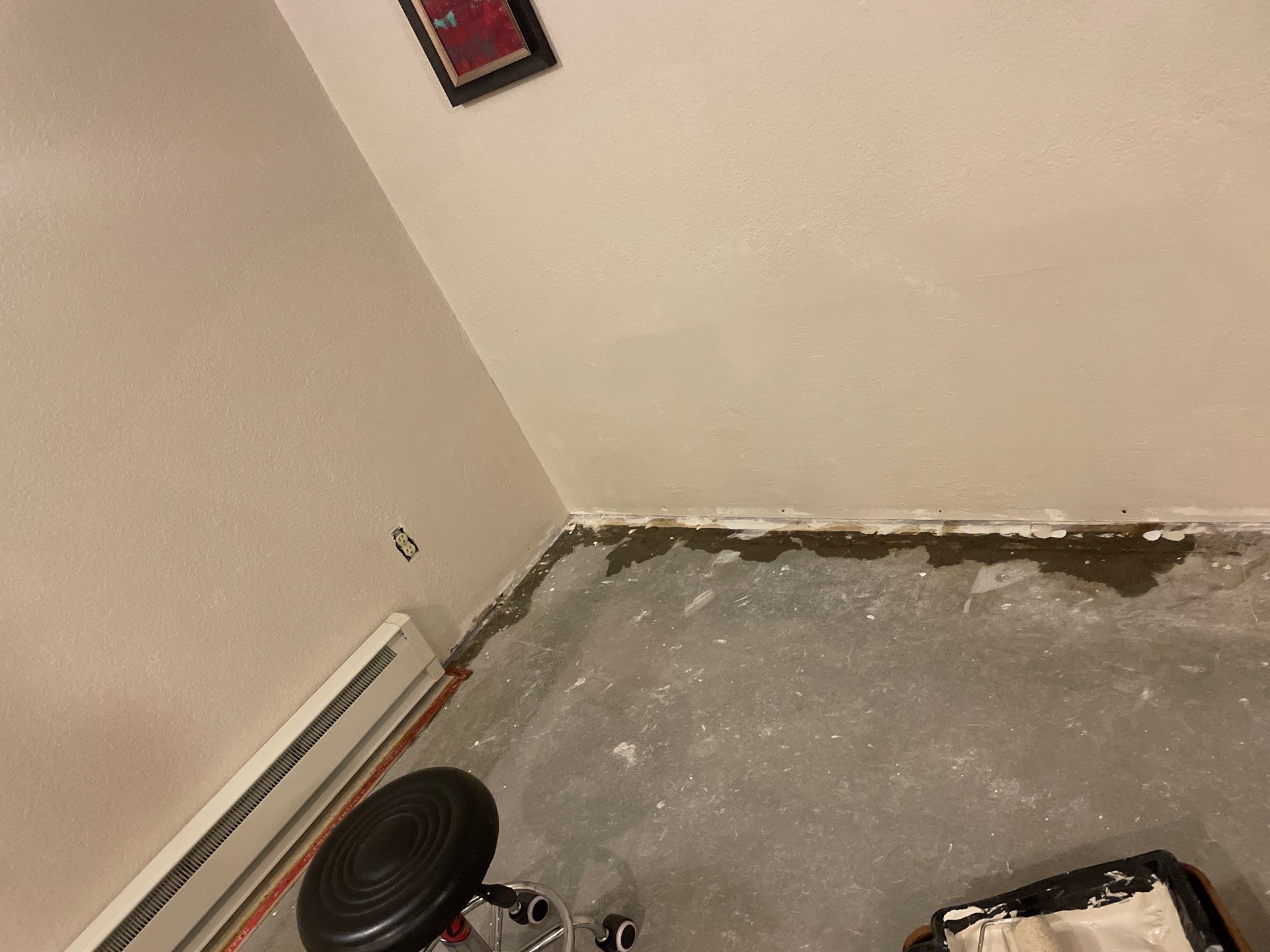
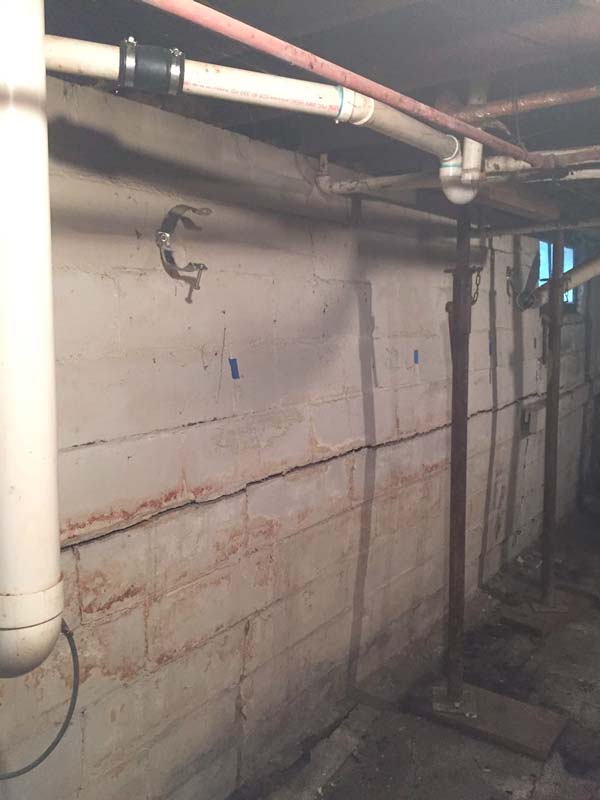
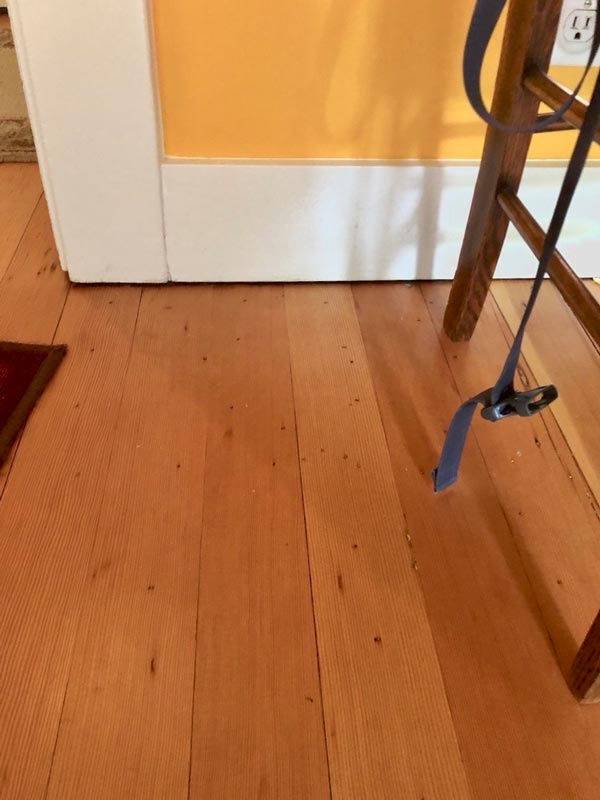
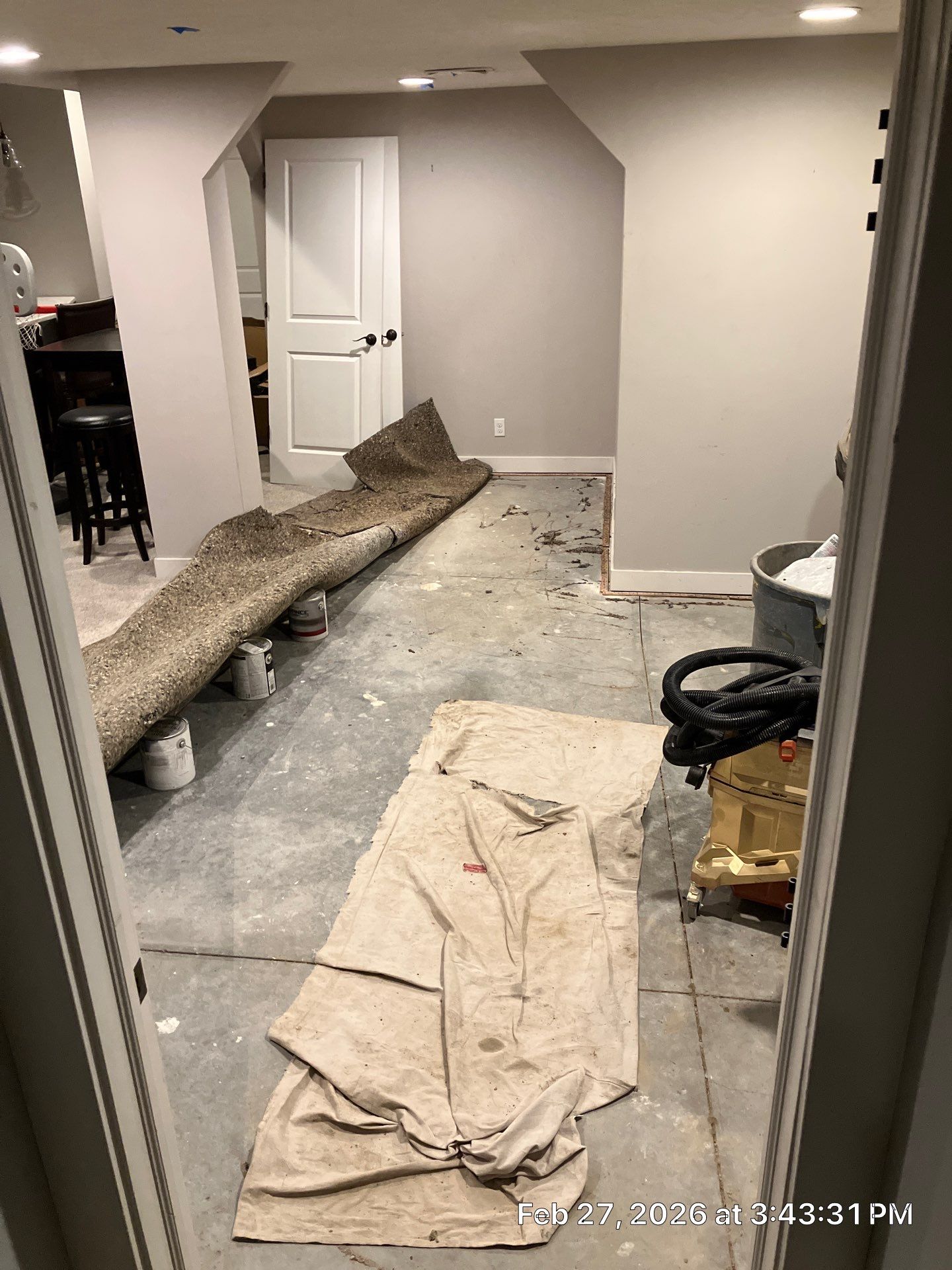
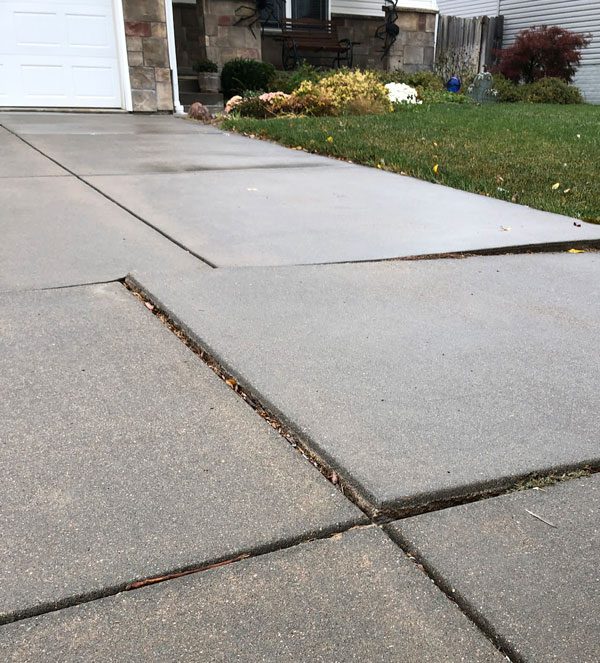
Foundation, water, and structural issues rarely fix themselves. they progress. Recognizing the early signs protects your home and keeps repair costs manageable. The signs below are the most common indicators we see in Midwest homes.

Spotting one of these in your home?

Our specialists evaluate the underlying cause before recommending any work. Inspections are at no cost and there's no obligation to proceed.

"I've seen homeowners spend eight thousand dollars on drainage matting and a sump pump in a vented crawl, and call us a year later because their humidity is still seventy percent and their floors still feel cold. The drainage worked. The crawl wasn't fixed. You have to address the moisture envelope, not just the water that pools on the floor."
Dave Epp
Dave Epp
Dave Epp on the most common scope mistake in crawl-space drainage. Buying interior drainage as a standalone scope in a vented crawl and assuming the humidity will come down because the water stopped pooling
Why Choose Epp

Care and expertise from a team that's been doing this since 1994.

Epp Foundation Repair is locally owned and operated, with crews dedicated exclusively to foundation, basement, and concrete work across the Midwest.

Specialized expertise.

Foundation repair, waterproofing, and concrete leveling are our entire focus. not a sideline.

Locally owned since 1994.

Three decades of experience with Midwest soils, basements, and weather conditions.

BBB Integrity Award winner.

Recognized in 2011 and 2016 for ethical business practices and customer transparency.

Warrantied solutions.

Most product solutions carry 10 to 25-year warranties backed by the original installer.

EPP · SINCE 1994

Why hire Epp Foundation Repair.

MEET THE TEAM · 2 MIN
Frequently Asked Questions

Answers to common questions about Encapsulation Drainage System Installation.

Don't see your question here? Our team is happy to help. Reach out anytime.

Standalone drainage removes bulk water. Perimeter matting, sump pit, sump pump, and outdoor discharge stop standing water and wall seepage. That handles roughly 40% of the moisture in a Midwest crawl. The other 60% is airborne (humid outdoor air through open vents, vapor rising from the dirt floor, condensation from cold ductwork) and stays in place. Encapsulation-integrated drainage installs the same drainage components inside a sealed envelope. 20-mil vapor barrier on floor and walls, sealed vents, commercial dehumidifier. So the drainage and the humidity control work as one system. The integrated envelope holds 50%, 55% RH year-round; standalone drainage in a vented crawl typically still reads 70%, 80% in summer.

Pricing ranges above are general estimates only and are not project quotes. A precise figure is provided on each written estimate after on-site inspection.
Pricing & Scope

Honest pricing & honest limits

Every home is different. The figures below are typical ranges for similar work across Nebraska, Iowa, Kansas, and Missouri. They are NOT a guaranteed quote. A free on-site inspection is required for a written estimate that reflects your specific scope, access, and conditions.

Estimate Only

Approximate pricing

Encapsulation-integrated drainage component: $3,000 to $8,000. Includes perimeter trench, waffle matting, fiberglass sump pit, cast-iron 1/3 hp or 1/2 hp pump, check valve, sealed discharge to outdoor point 6 to 10 ft from foundation. Full encapsulation package (drainage + vapor barrier + sealed vents + commercial dehumidifier): $3,500 to $8,000 for typical 800 to 1,800 sf residential. Battery backup pump: +$400 to $800. SaniDry Sedona dehumidifier upgrade: +$500 to $700. Dedicated electrical circuits for dehumidifier and sump (licensed electrician, separate from Epp invoice): $300 to $700 each. Written estimate after on-site inspection reflects your scope.

When this isn't the right fix

Do not install integrated drainage where the moisture source is a fixable exterior problem. Clogged downspouts, negative grade, or a failed buried roof leader. Exterior correction is cheaper and more durable, and Epp diagnoses exterior conditions first. Do not install where seepage traces to a plumbing leak (water supply, drain, or condensate line routing through the crawl). Plumber scope first, the sump was not designed to pump against a continuous supply leak. Do not install over severe structural deficiencies. Broken joists, failing piers, cracked carrier beams are repaired before the envelope is sealed; otherwise the structural repair becomes harder later. Epp does not install insulation, pull permits, file code variances, perform HVAC integration, or install electrical.

Why our estimates are honest

Epp Foundation Repair holds BBB A+ accreditation since 2004 and is a two-time BBB Integrity Award winner (2011 and 2016). Recognition tied directly to documenting the seepage diagnosis, exterior conditions, structural inspection, and dehumidifier sizing on every integrated drainage proposal rather than selling drainage matting because the homeowner asked for it.

More Crawl Space Encapsulation Services

The full range of our crawl space encapsulation work.

Every crawl space encapsulation method we install. Sequenced so the soil profile and failure mode determine the fix.

Crawl Space Vapor Barrier Installation

10-mil and 20-mil reinforced polyethylene crawl-space vapor barriers from Epp Foundation Repair. Full-floor coverage, sealed seams, mechanically fastened wall extension, designed as the foundation layer of a complete encapsulation system. NE, IA, KS, MO since 1994. A vapor barrier alone without a dehumidifier and sealed vents is a partial fix that often fails.

Learn more

Crawl Space Dehumidifier Installation

Commercial-grade crawl-space dehumidifier installation from Epp Foundation Repair. Aprilaire 1830, Santa Fe Compact 70, and SaniDry units sized to crawl-space cubic footage, hard-plumbed condensate drainage, designed to hold 50 to 55% RH year-round. NE, IA, KS, MO since 1994. A consumer-grade big-box dehumidifier in a 1,200 sf crawl is not a fix.

Learn more

Crawl Space Insulation Installation

Closed-cell spray foam (R-6.5 per inch) on crawl-space walls and band joist, or rigid XPS foam board on foundation walls. Installed by Epp Foundation Repair as the post-encapsulation step that converts a vented crawl into a conditioned, energy-efficient buffer space. NE, IA, KS, MO since 1994. Fiberglass batts between joists do not work in this climate.

Learn more

Crawl-Space Vent Sealing

Permanent crawl-space vent sealing from Epp Foundation Repair. Rigid foam plugs cut to the vent opening, perimeter sealed with polyurethane caulk, vapor barrier overlapped and taped at the interior face. NE, IA, KS, MO since 1994. Open vents in a Midwest crawl import humidity, they don't remove it.

Learn more
Service Areas

Serving Nebraska, Iowa, Kansas & Missouri.

Local crews based in six regional offices, dispatched daily across four states. If your town isn't listed, call us. we likely serve your area.

Top cities we serve
Check Your Service Area
The Process

How we approach Encapsulation Drainage System Installation

A straightforward path from initial inspection to completed repairs.

Step 01

Inspection, Seepage Diagnosis, and Exterior Review

Crawl walked and documented. Seepage points photographed and tagged. Exterior conditions reviewed. Downspouts, surface grade, drainage swales. Where exterior corrections are the right scope, they're flagged before interior work proceeds. Structural condition documented (joists, piers, carrier beams). Plumbing penetrations reviewed for active leaks. Existing vents counted and measured. Cubic footage calculated for dehumidifier sizing.

Step 02

Trench, Perimeter Matting, and Sump Pit Excavation

Shallow trench cut into the dirt floor along the entire foundation perimeter (typical depth 4 to 6 inches). Low-profile waffle matting cut to height and mechanically fastened to the foundation wall with masonry fasteners, top edge sealed with polyurethane caulk.

Step 03

Cast-Iron Pump Installation and Discharge Plumbing

Cast-iron submersible pump (1/3 hp or 1/2 hp depending on head pressure) set on a brick or paver inside the sump pit, vertical float switch tested through a full cycle. Check valve installed at the pump head.

Customer Reviews

Over 1,750 homeowners have shared their experience.

A 4.9-star average across Google, with verified reviews from homeowners throughout Nebraska, Iowa, Kansas, and Missouri.

Free Estimate

Two ways to start: book instantly, or request an estimate.

Schedule your inspection in seconds with our Driive booking tool, or share a few details and a local specialist will follow up within one business day.

What to expect
  • A local foundation specialist on site
  • A complete walk-through of the findings
  • A written estimate within one business day
  • No cost, no obligation, no high-pressure sales
Prefer to call
402-423-9192
Nebraska · Iowa · Kansas · MissouriSince 1994
Epp Foundation Repair

Let's take the first step toward a healthy home.

A local specialist will inspect your foundation, walk you through the findings, and send a clear estimate. no cost, no pressure.

Book instantly with Driive
BBB Accredited
Fully Insured
"By Your Side" Guarantee
Our Locations

Six regional offices across the Midwest.

See all service areas
Lincoln, NE
Epp Foundation Repair
1133 Libra Dr
Lincoln, NE 68512
402-566-5265
Omaha, NE
Epp Foundation Repair
12305 Gold St, Ste 2
Omaha, NE 68144
402-521-5081
Grand Island, NE
Epp Foundation Repair
802 Bronze Rd
Grand Island, NE 68803
308-303-3944
Norfolk, NE
Epp Foundation Repair
1105 S 13th St, Ste 205
Norfolk, NE 68701
402-792-4092
Clive, IA
Epp Foundation Repair
2175 NW 86th St #14c
Clive, IA 50325
515-349-5562
St. Joseph, MO
Epp Foundation Repair
2400 Frederick Ave, Suite 315
St. Joseph, MO 64506
816-549-2672