Regional Context
Why basement water in Nebraska and Iowa needs a regional fix
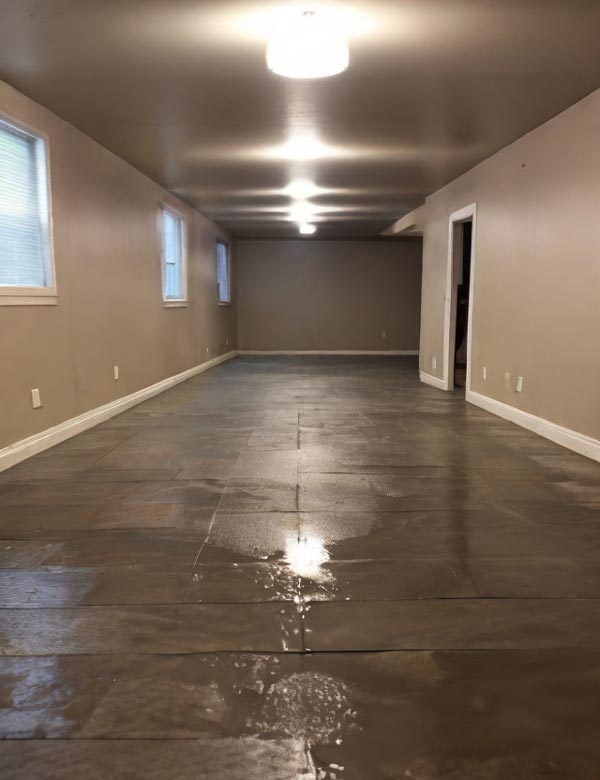
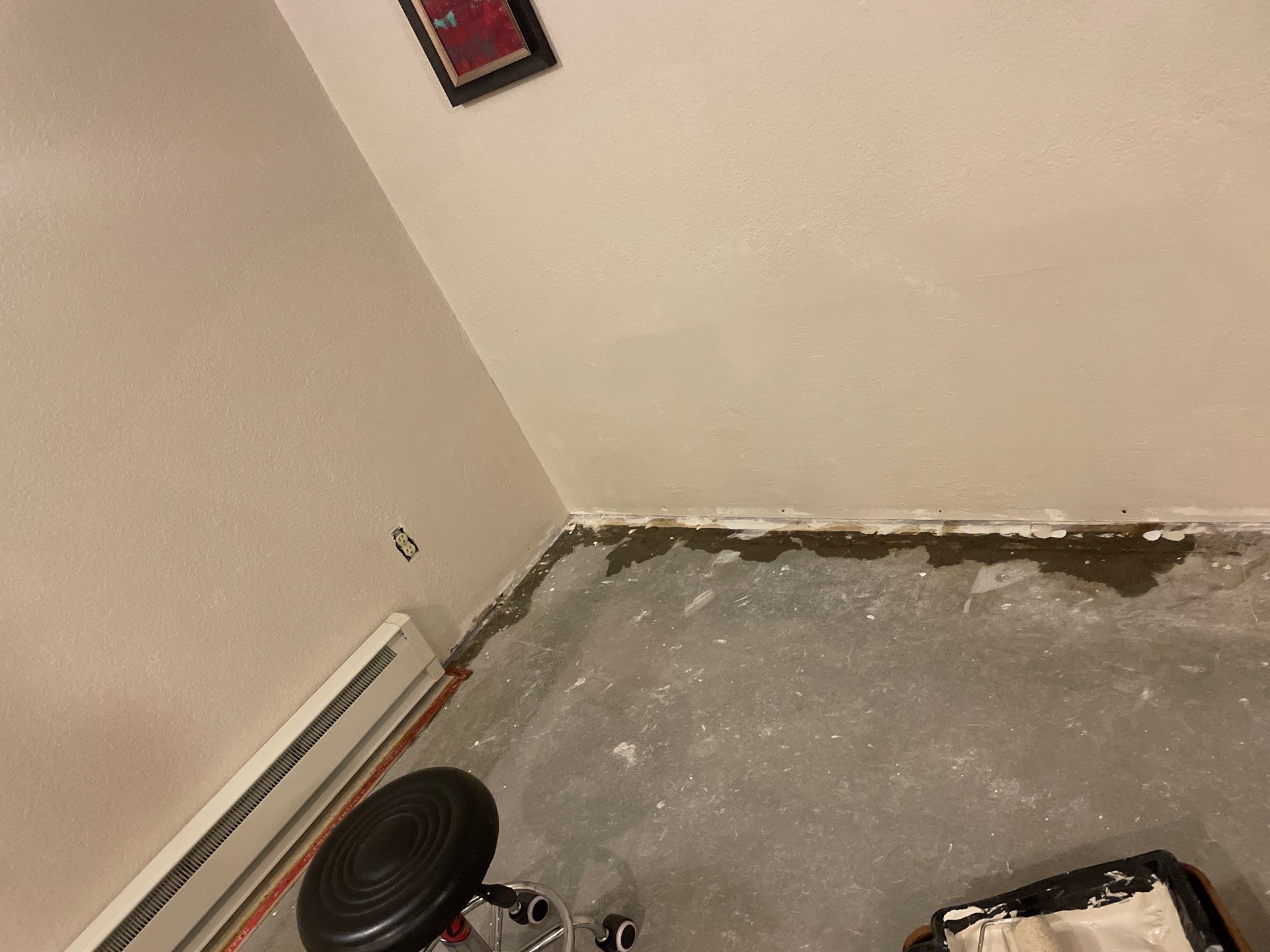
Saturated clay backfill, 60+ freeze-thaw cycles per winter, and 35 to 40 inches of annual precipitation drive hydrostatic pressure against basement walls in ways that drier or warmer regions never see. Generic waterproofing approaches fail here because they ignore the soil and climate that put water against the wall in the first place.
Loess soils and the crack patterns they produce
Most of eastern Nebraska and western Iowa sits on wind-deposited loess. a fine, silty soil
10 to 200+ feet deep. Loess holds its structure when dry but loses cohesion rapidly when saturated.
After a wet spring, saturated loess expands against foundation walls. After a dry Nebraska summer,
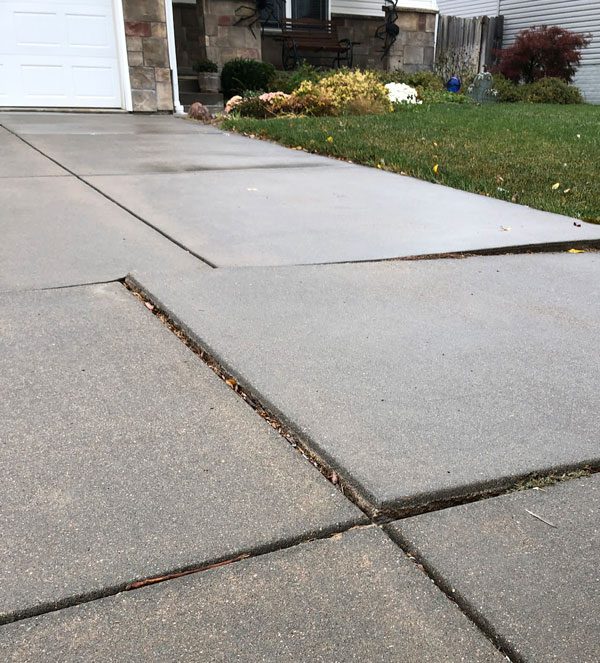
it contracts. pulling away from footings, creating voids beneath slabs, and producing the vertical
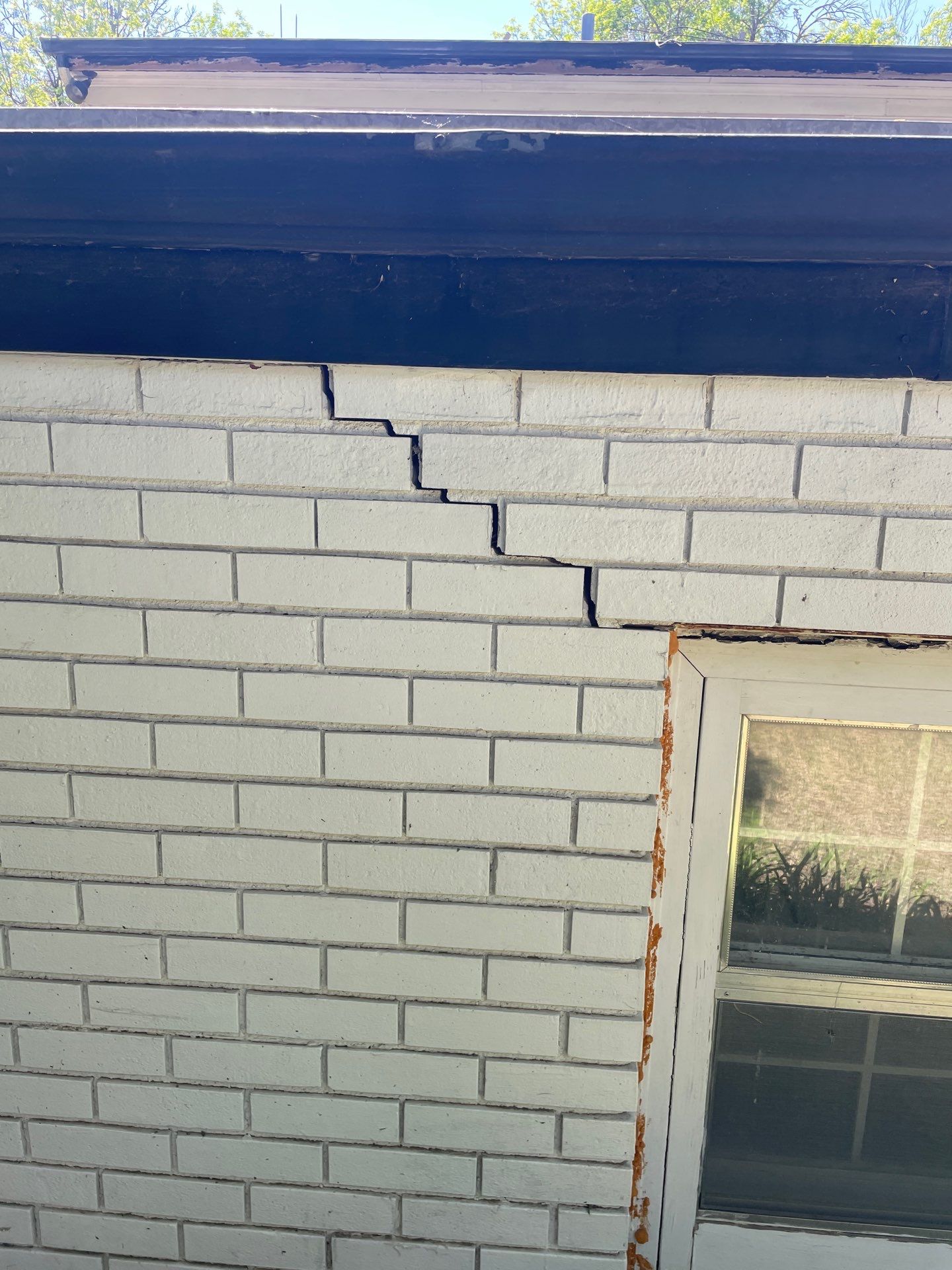
and diagonal settlement cracks we see most frequently on the Lincoln, Omaha, Council Bluffs corridor.
The Marshall and Sharpsburg loess series. dominant across the eastern Nebraska service area. are
particularly prone to this cyclical volume change. Homes built in the 1960s, 1980s on uncompacted
loess backfill show the highest incidence of progressive settlement cracking in our inspection data.
Frost depth, freeze-thaw cycles, and horizontal cracking
Eastern Nebraska's 36, 42" frost penetration depth means the soil below grade freezes and thaws
60, 80 times per year. Each cycle applies lateral pressure to basement walls. A wall that holds
through ten cycles can fail in the eleventh if drainage has worsened, backfill has settled, or
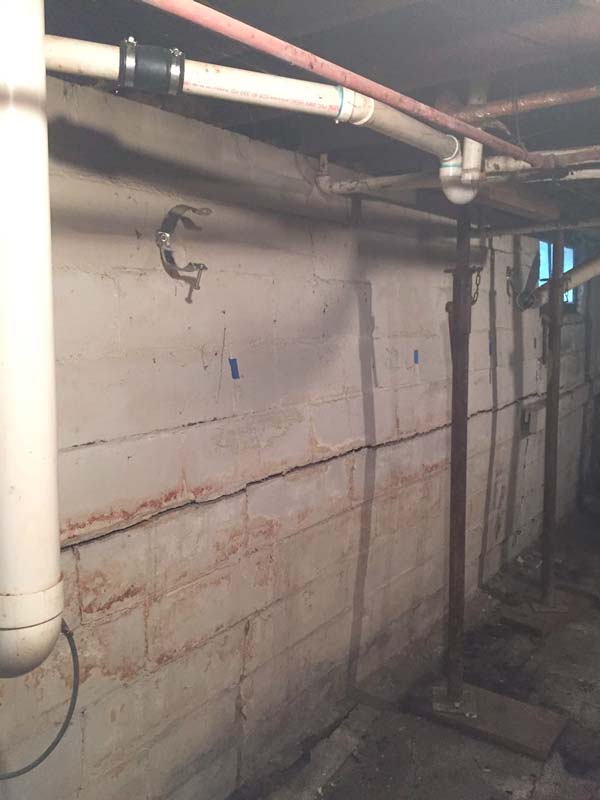
the wall was already at capacity. Horizontal cracks near the soil grade line are almost always a
freeze-thaw story in this region.
In eastern Kansas, expansive clay pockets near the surface introduce a different failure mode .
consistent volume change regardless of frost depth. Horizontal cracking in Kansas foundations
typically traces to clay expansion; the same pattern in Nebraska more often indicates frost-driven
hydrostatic pressure.