Since 1994 · NE · IA · KS · MO

Foundation Repair Across Nebraska, Iowa, Kansas & Missouri.

When walls shift, floors slope, or cracks widen, your home is telling you something. Epp Foundation Repair has been stabilizing homes across Nebraska, Iowa, Kansas, and Missouri since 1994. With engineered solutions built for our region's expansive loess soils and freeze-thaw cycles.

Nebraska · Iowa · Kansas · Missouri Since 1994

Let's take the first step toward a healthy home.

A local specialist will inspect your foundation, walk you through the findings, and send a clear estimate. no cost, no pressure.

Book instantly with Driive
BBB Accredited
Fully Insured
"By Your Side" Guarantee
What We Repair

11 foundation repair specializations under one roof.

Foundation Repair problems rarely come from one cause. We specialize across the full range of foundation repair methods so the solution matches the cause. Not the easiest sale.

Foundation Crack Repair

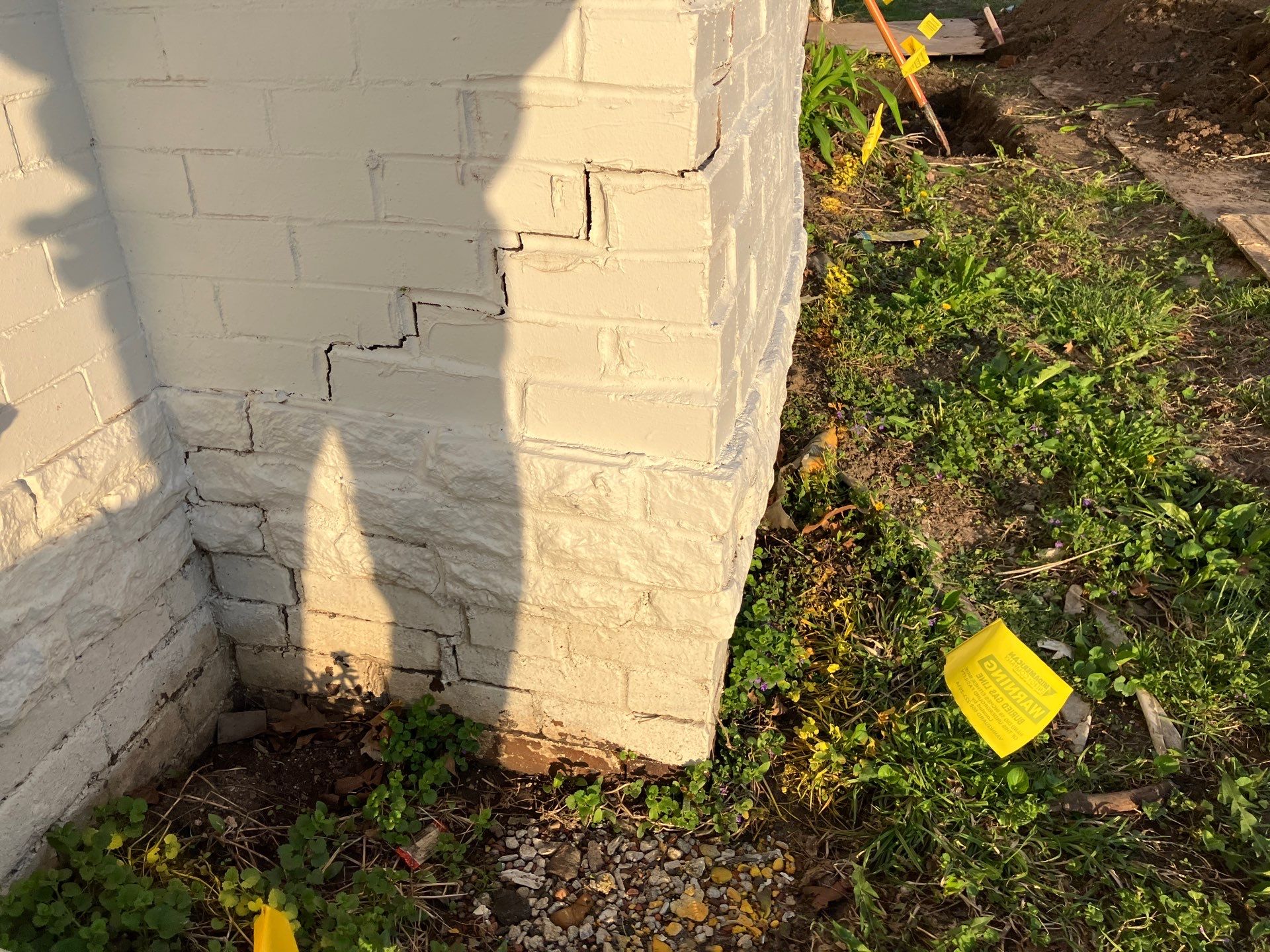
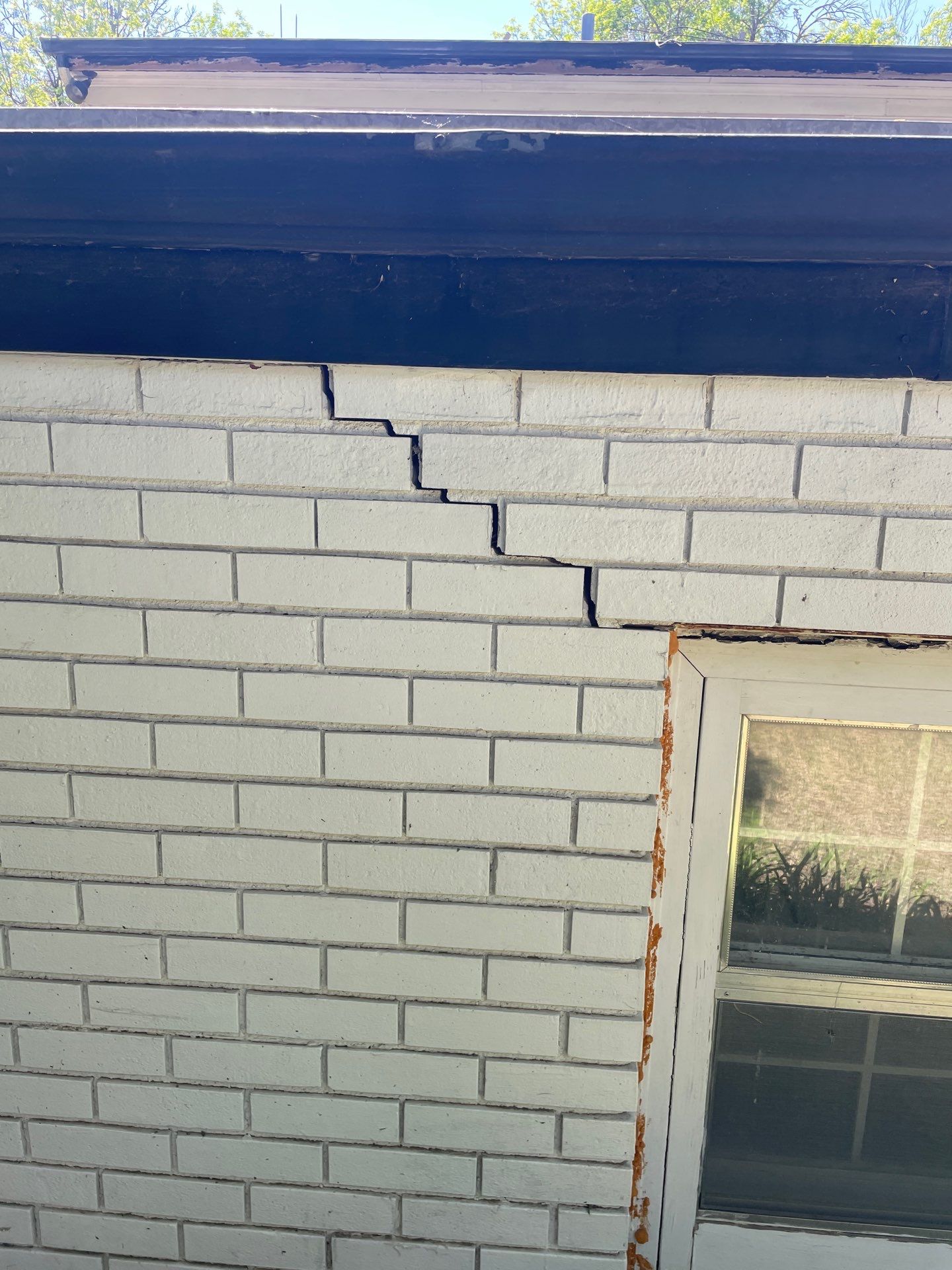
And the cause determines the repair method. There is no universal fix. A hairline shrinkage crack in poured concrete is cosmetic. A horizontal crack in block at the soil grade line is lateral pressure and needs reinforcement. A stair-step crack widening through brick veneer is differential settlement and needs underpinning beneath the affected wall.

Learn more

Retaining Wall Repair

A leaning or bulging retaining wall is a soil problem before it is a wall problem. Epp Foundation Repair diagnoses the failure mode first, then prescribes the right fix: helical tieback anchors, drainage correction, or full wall replacement.

Learn more

Slab Jacking

A settled slab foundation does not always mean piers. Sometimes the right answer is polyurethane foam, sometimes it is slab piers, and sometimes the slab needs to be replaced. Epp Foundation Repair diagnoses the depth and cause of the void first, then chooses the lift method.

Learn more

Soil Stabilization

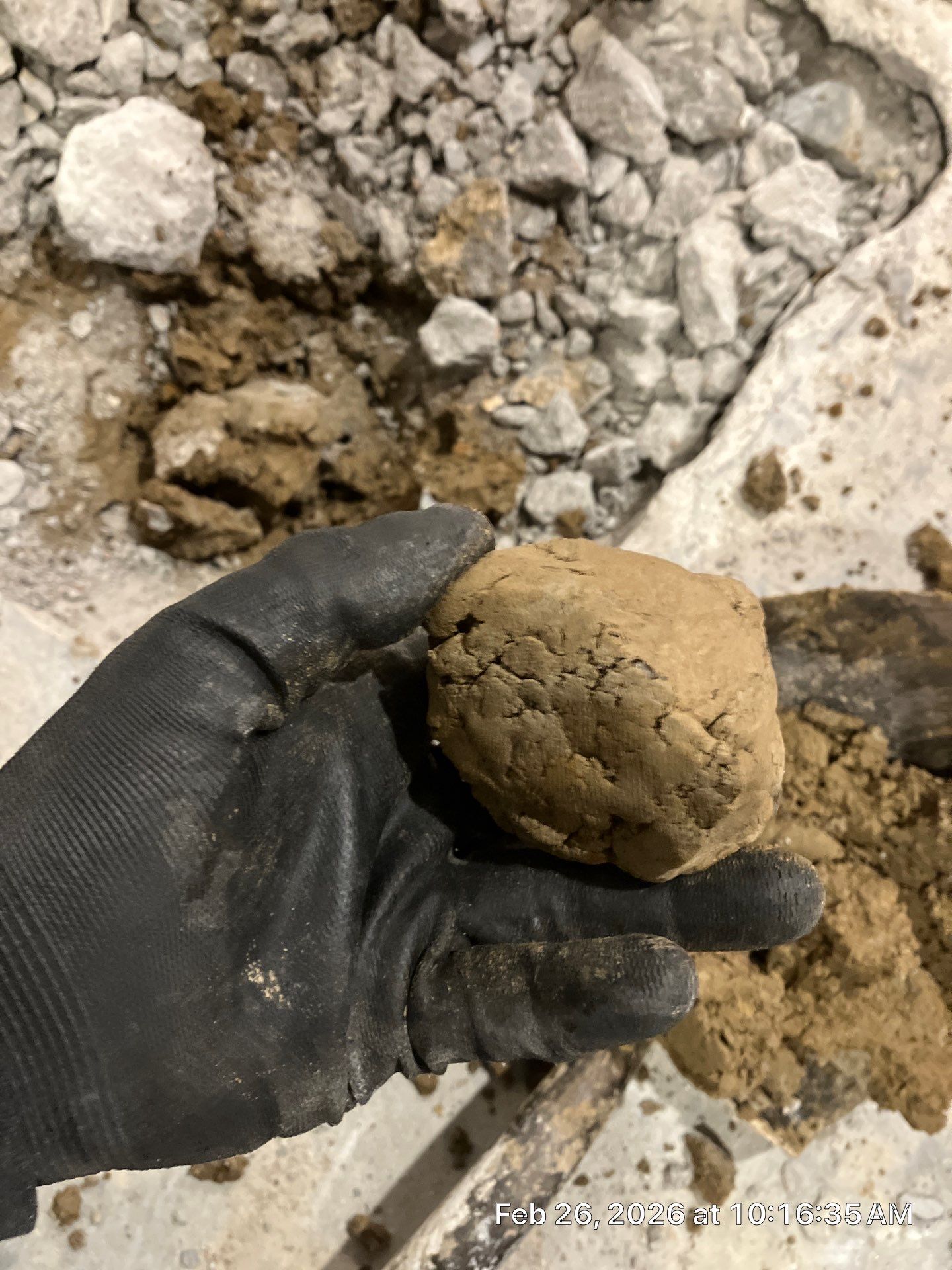
When the soil under your foundation is the problem, repairing the structure alone fails within two or three wet-dry cycles. Epp Foundation Repair treats the cause. Collapsing loess, expansive clay, washed-out voids, using polyurethane chemical injection, soil grouting, and deep-driven helical anchors, matched to the soil under your specific lot.

Learn more

Commercial & Industrial Foundation Repair

Foundation repair for warehouses, industrial slabs, strip malls, and multi-tenant residential. Engineered to commercial load classes, scheduled around your operations, executed alongside your structural engineer. Dave Epp personally inspects every commercial bid before the crew is dispatched.

Learn more

Slab Foundation Repair

Epp Foundation Repair stabilizes failing slab-on-grade foundations across Nebraska, Iowa, Kansas, and Missouri using slab piers, polyurethane lift, and void-fill foam. Most settled slabs trace back to shallow original footings, expansive clay heave, or undetected plumbing voids. Epp diagnoses the cause before quoting a repair.

Learn more

Basement Foundation Repair

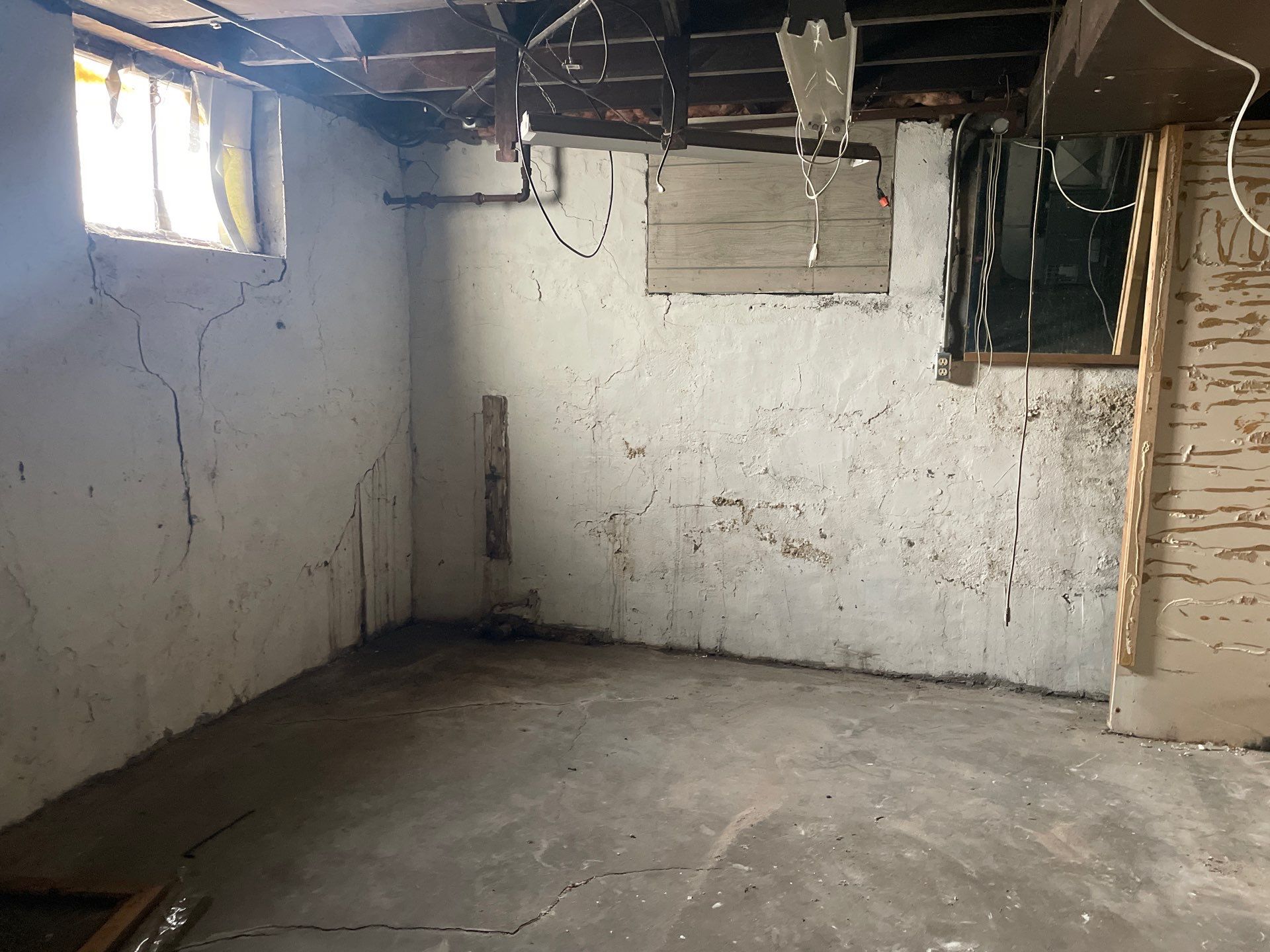
Epp Foundation Repair stabilizes poured concrete, CMU block, and stone basement walls across Nebraska, Iowa, Kansas, and Missouri. Each wall type fails differently. Epp diagnoses the failure pattern before specifying carbon fiber, wall anchors, push piers, or perimeter waterproofing.

Learn more

Post & Pier Foundation Repair

Epp Foundation Repair inspects, supplements, and replaces failing pier systems across Nebraska, Iowa, Kansas, and Missouri. Including 1970s-era helical piers installed before torque verification, rotted wooden crawl-space posts, and undersized push piers from prior contractors. Every existing pier gets a load test before Epp recommends replacement.

Learn more

New Construction Foundation Consultation

Epp Foundation Repair consults with builders and homeowners on new builds across Nebraska, Iowa, Kansas, and Missouri. Pre-construction soil assessment, engineered helical pier installs on questionable sites, and pre-occupancy retrofit waterproofing. Epp does not pour foundations or install waterproofing during construction. The honest scope is here.

Learn more

Foundation Leveling

Foundation leveling lifts a settled house back toward original elevation using helical piers, push piers, or polyurethane foam. When ground conditions allow safe lift without cracking interior finishes.

Learn more

Foundation Inspection

On-site foundation inspection with laser-level floor survey, crack monitor installation, and 30-to-90-day re-measure protocol that separates structural movement from cosmetic settling before any repair recommendation.

Learn more
Unsure What You're Dealing With?

Not sure which foundation repair problem you're facing?

Pick the symptom that best fits. We'll tell you what it likely means and where to go next.

Home Problem Finder

What's happening to your home?

1
Location
2
Symptom
3
Urgency
4
Your Result

Where are you noticing the problem?

Select the area of your home that best fits.

Problem Signs

What foundation repair problems actually look like.

Most foundation repair problems start as small symptoms. Catching them early is the difference between a small, planned fix and a major reconstruction. These are the warning signs we see most often.
Bouncing Floors
01

Bouncing Floors

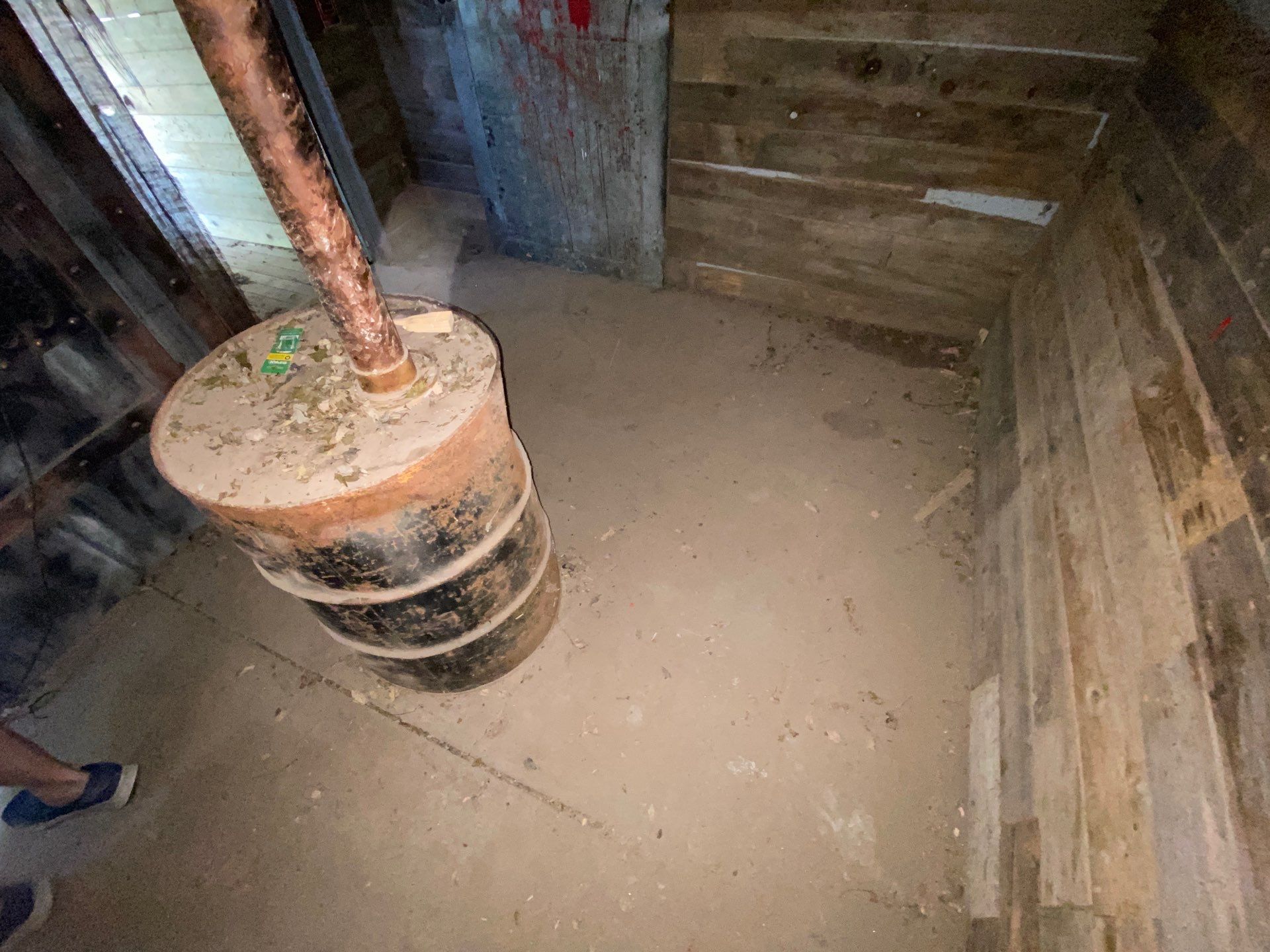
Bouncing floors happen when the framing that holds your floor up loses solid support. In a home with a basement or crawl space, that support comes from beams, joists, and the foundation walls or piers under them. When the soil beneath a footing settles, or a support post sinks, the framing spans a longer unsupported distance and starts to flex underfoot. In eastern Nebraska and western Iowa, settlement is usually tied to expansive clay and loess soils that swell when wet and shrink when dry, plus 50 to 70 freeze-thaw cycles a year that work the soil loose. A little flex in an old floor is common. The threshold that matters is when the bounce is new, getting worse, or paired with sloping floors and cracks. At that point the support is actively moving, not just settled once and stable. Catching it early often means a pier or a few crawl space jacks instead of replacing rotted framing or releveling a whole room later.

Learn More
03

Carpenter Ant Infestation

Carpenter ants are a moisture clue more than a pest problem. Unlike termites, they do not eat wood for food. They hollow out galleries to nest in, and they strongly prefer wood that is already damp, soft, or beginning to break down. That is why a colony in a floor joist, sill plate, or crawl space beam usually points to a water source nearby. In Nebraska, Iowa, Kansas, and Missouri, the moisture often comes from a humid crawl space, poor drainage against the foundation, or seepage through a foundation wall after spring rain and snowmelt. The high water table in the Missouri River basin near Omaha, Bellevue, and Council Bluffs makes damp framing common. The threshold that matters is finding ants together with soft or damaged structural wood, because that means the moisture has been present long enough to weaken framing. Calling a pest company kills the ants, but if the underlying dampness stays, the wood keeps degrading and the ants tend to return. Epp does not do pest control or wood rot repair. What Epp addresses is the moisture and any structural support the dampness has compromised. Drying the wood out is the durable answer; the ants lose their reason to stay.

Learn More
Ceiling Gaps
04

Ceiling Gaps

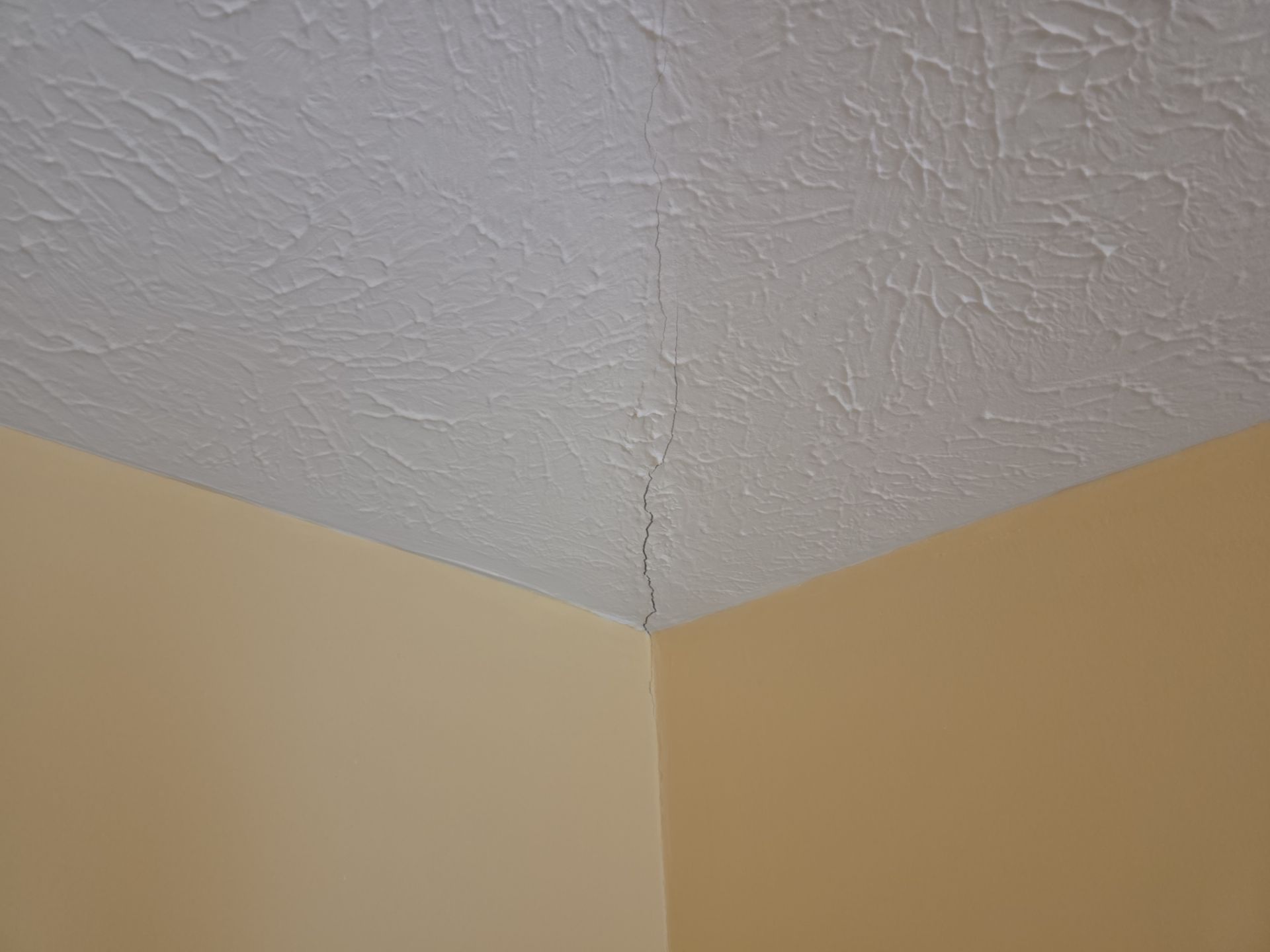
A gap between the wall and ceiling forms when two parts of your home shift in different directions. The wall is anchored to the floor framing below, and the ceiling is tied to the roof framing above. When a foundation settles unevenly, or soil heaves and lifts one area, the framing twists and a separation opens at the joint. In Nebraska, Iowa, Kansas, and Missouri, the usual driver is soil that moves with moisture. Expansive clay and loess swell after spring rain and snowmelt, then shrink in dry summers, and the cycle drags the structure with it. Freeze-thaw action, 50 to 70 cycles a year in eastern Nebraska and western Iowa, adds to the movement. A hairline cosmetic crack at a ceiling line can come from normal seasonal change. The threshold that matters is a gap you can fit a coin into, a gap that keeps widening, or one paired with sticking doors and cracks elsewhere. That pattern points to active foundation movement, not just settled paint. Addressing the cause early, rather than caulking the gap, keeps the movement from spreading to floors, walls, and the roofline.

Learn More
Cracked Block Foundation
05

Cracked Block Foundation

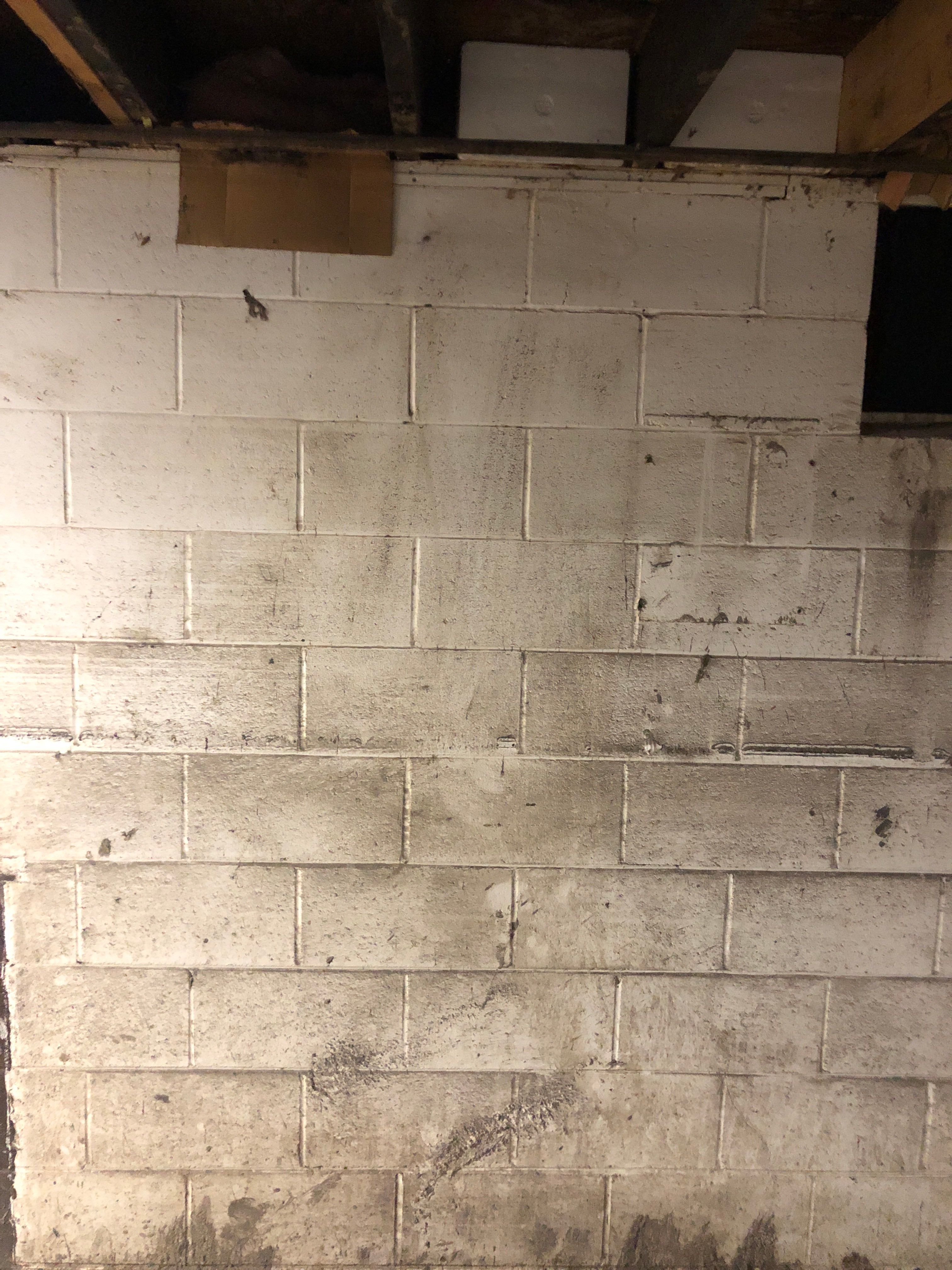
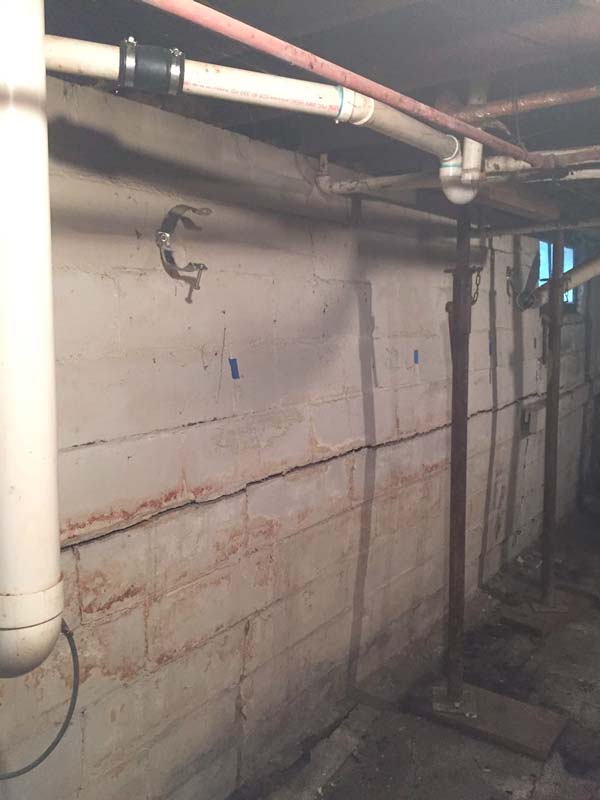
Block foundations crack along the mortar joints because that is the weakest path through the wall. The pattern tells the story. Stair-step cracks that follow the joints up and across usually mean uneven settlement, where one part of the footing has dropped into soft soil. Vertical cracks often come from shrinkage or minor settlement. Horizontal cracks running along the middle of the wall are the most serious, because they signal lateral soil pressure pushing the wall inward. In eastern Nebraska and western Iowa, the drivers are familiar: expansive clay and loess backfill, saturated soil after spring rain and snowmelt, and 50 to 70 freeze-thaw cycles a year. Concrete block handles compression well, around 3,000 to 4,000 psi, but resists tension and bending poorly, only about 300 to 400 psi, which is why pressure cracks the joints. The threshold that matters is a horizontal crack, a crack wider than about an eighth of an inch, a stair-step crack that keeps growing, or any crack paired with inward bowing. Those mean the wall is actively moving, not just cured and settled. Catching it before the wall passes roughly 2 inches of inward deflection is the difference between stabilizing in place and replacing the wall.

Learn More
Cracks in Door Frames, Ceilings, and Corners
07

Cracks in Door Frames, Ceilings, and Corners

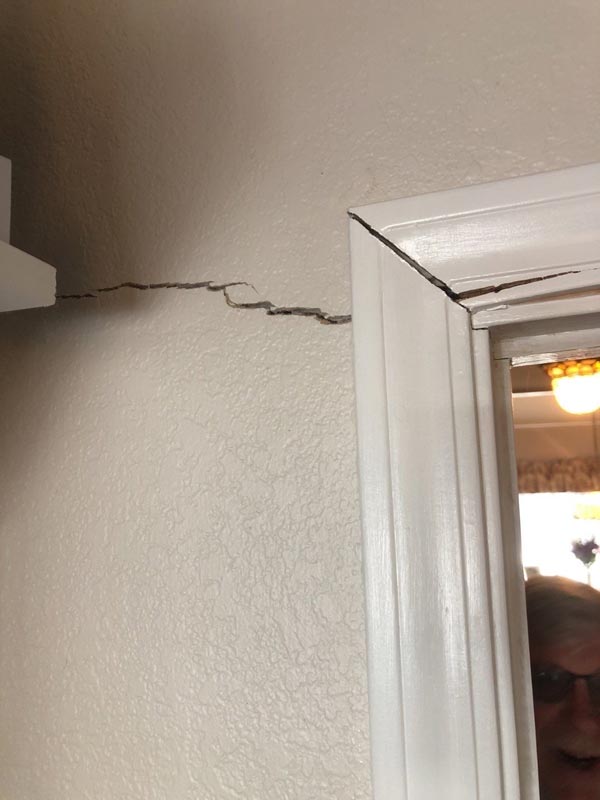
Cracks gather at door frames, ceiling lines, and corners because those are the natural weak points in a wall. Openings interrupt the framing, and corners and ceiling joints are where different planes meet, so stress concentrates there first. A few hairline cracks after a new home settles, or fine lines where the ceiling meets the wall, are common and often cosmetic. The concern is a pattern that grows. In eastern Nebraska and western Iowa, that pattern usually traces to foundation movement driven by expansive clay and loess soils that swell when wet and shrink when dry, combined with 50 to 70 freeze-thaw cycles a year and frost reaching 36 to 42 inches. As one part of the foundation settles or heaves, the framing racks and the drywall tears at its weakest joints. The threshold worth watching is width and direction. Cracks wider than about an eighth of an inch, cracks that angle off a door corner, or cracks that keep lengthening point to active movement. Catching it early matters because the same shift that opens a corner crack will keep working through the framing, and patching the drywall without addressing the foundation simply lets the cracks reopen.

Learn More
Cracks in Floor Tiles and Grout
08

Cracks in Floor Tiles and Grout

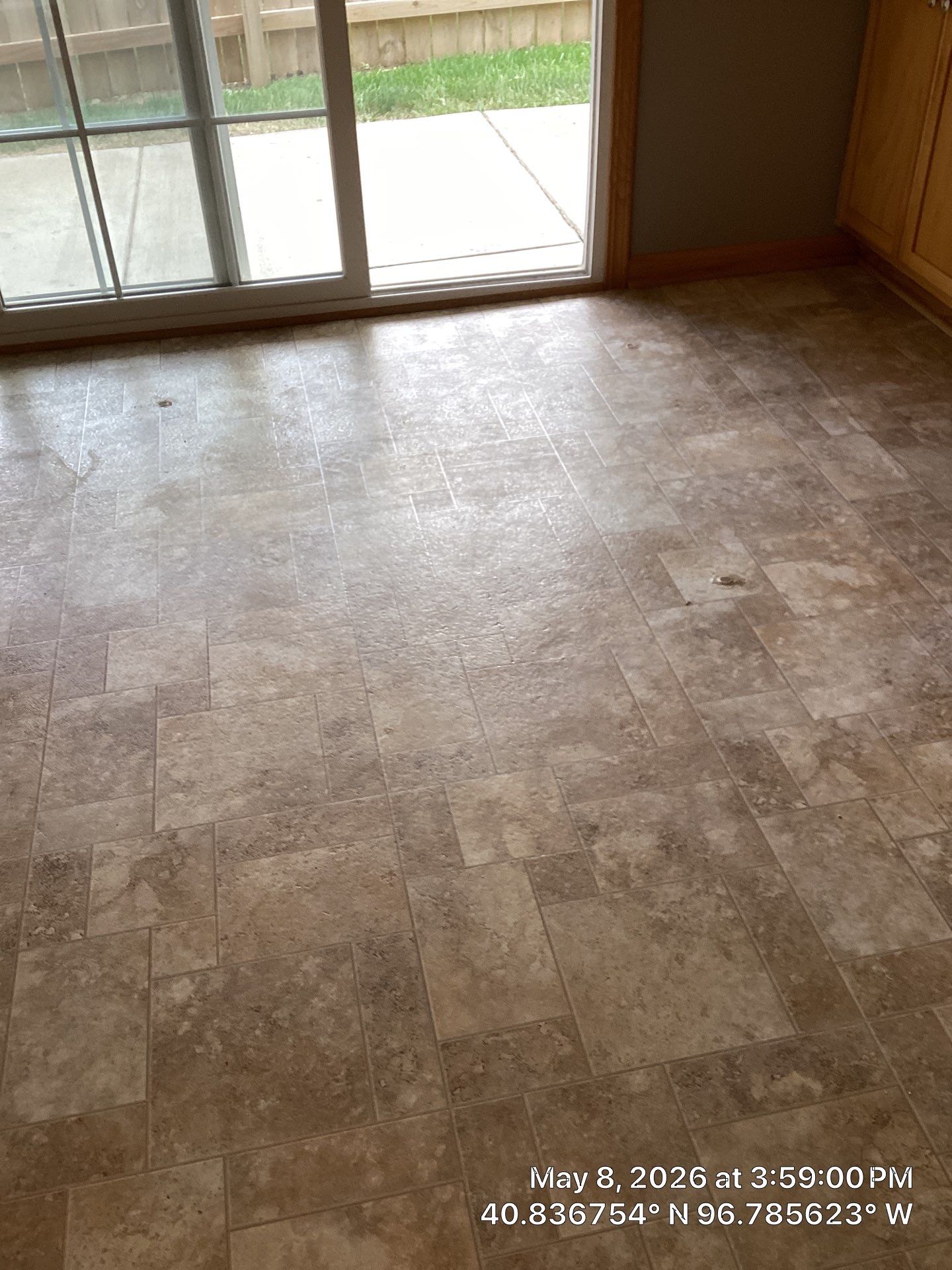
Tile and grout are brittle, so they crack the moment the surface under them flexes or shifts. A single cracked tile from a dropped pot is one thing. A crack that runs in a straight line across several tiles, or grout that keeps splitting along the same joints, points to movement in the slab or subfloor below. In eastern Nebraska and western Iowa, that movement usually traces to the foundation. Expansive clay and loess soils swell when wet and shrink when dry, and with 50 to 70 freeze-thaw cycles a year and frost reaching 36 to 42 inches, the slab can settle in one area or heave in another. As the slab moves, the rigid tile assembly above it has nowhere to go and fractures. The threshold worth watching is a pattern. Cracks that line up across multiple tiles, cracks that pair with a floor that feels uneven, or grout that reopens after repair all suggest the slab is moving rather than the tile job being faulty. Catching it early matters because the same slab movement that cracks tile will keep working, and replacing the floor without addressing the foundation simply lets the new tile crack along the same line.

Learn More
09

Detached Cabinets

Cabinets are screwed tight to wall studs at installation, so a gap opening between a cabinet and the wall or ceiling means one of them has moved. When the gap grows over months and shows up alongside other signs, the cause is usually foundation movement tilting the wall the cabinets are fastened to. In eastern Nebraska and western Iowa, that movement comes from expansive clay and loess soils that swell when wet and shrink when dry, combined with 50 to 70 freeze-thaw cycles a year and frost reaching 36 to 42 inches. As a section of foundation settles or heaves, the wall above leans and the cabinets either pull away at the top or tip out at the bottom. The threshold worth watching is a gap that keeps widening, especially when paired with cracks, sloped floors, or sticking doors. A small gap from a single loose screw is a quick fix. A gap that returns after refastening, or one that appears with other movement signs, points to the foundation. Catching it early matters because the same shift that opens a cabinet gap will keep working, and a heavy cabinet fastened to a moving wall can eventually pull loose in a way that is unsafe.

Learn More
Diagonal Cracks
10

Diagonal Cracks

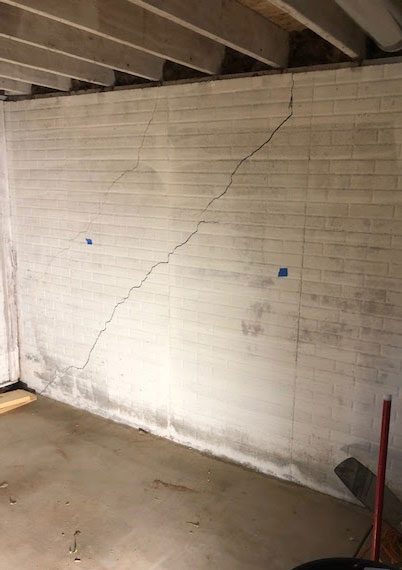
Diagonal cracks form when one section of a wall or foundation moves relative to another and the material tears along the line of greatest stress. Concrete and block are strong in compression, roughly 3,000 to 4,000 psi, but weak in tension, only about 300 to 400 psi. So when settling or heaving pulls the material apart, it cracks long before it would ever crush. The angle is the clue. A diagonal crack running up from the corner of a window or door usually means the foundation below that corner has dropped or risen relative to the rest. In eastern Nebraska and western Iowa, the movement behind these cracks is almost always tied to expansive clay and loess soils that swell when wet and shrink when dry, plus 50 to 70 freeze-thaw cycles a year that lift and drop footings. The threshold worth watching is width and progression. Hairline diagonal cracks that stay put are often minor. Cracks wider than about an eighth of an inch, cracks that are growing, or several diagonal cracks across one wall point to active movement. Catching it early usually means a smaller stabilization job before the cracking spreads and the wall or slab needs major work.

Learn More
Doors Not Latching
11

Doors Not Latching

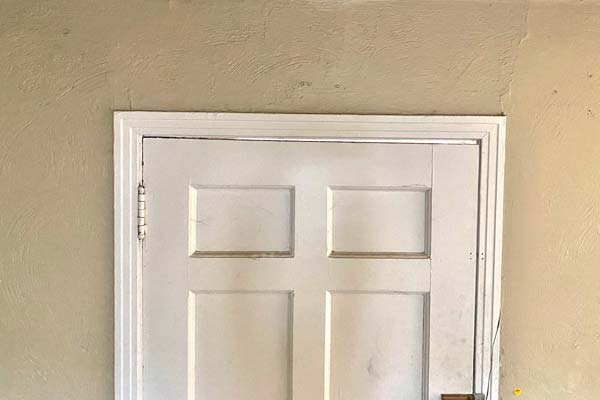
When a door stops latching, the latch and the strike plate have fallen out of alignment because the frame around the door has racked out of square. A single sticky door in a humid month can be wood swelling. But several doors that drift out of latch, especially on the same side of the house, point to structural movement. Foundations in eastern Nebraska and western Iowa move because the clay and loess soils beneath them swell when wet and shrink when dry. With 50 to 70 freeze-thaw cycles each year and frost reaching 36 to 42 inches, footings rise and fall through the seasons. As one part of the foundation settles or heaves, the wall above it tilts and the door opening distorts from a rectangle into a slight parallelogram. The latch then sits high or low of the strike. The threshold worth watching is movement that does not reverse. Seasonal sticking that comes and goes with humidity is usually minor. A door that gets steadily worse, paired with cracks or sloping floors, points to ongoing foundation change. Catching it early often means a smaller stabilization job before the framing, drywall, and flooring need extensive repair too.

Learn More
Doors and Windows Misaligned
12

Doors and Windows Misaligned

Doors and windows are built into rectangular openings that stay true only while the structure around them stays still. When a foundation moves, the walls above it lean and those rectangles distort into slight parallelograms. The result is doors that drag or won't latch, windows that bind or won't seal, and visible gaps that grow at one corner. In eastern Nebraska and western Iowa, the movement usually comes from expansive clay and loess soils that swell when wet and shrink when dry. With 50 to 70 freeze-thaw cycles a year and frost reaching 36 to 42 inches, footings ride up and down through the seasons, and uneven settling tips the framing. The signal worth watching is several openings on the same side of the home going out of alignment together, especially alongside cracks or sloped floors. A lone sticky window in humid August is usually wood swelling. A pattern of binding doors and gapping windows that worsens over months points to the foundation. Catching it early matters because the same movement that nudges a window out of square will, left alone, widen cracks and stress the framing, turning a modest stabilization into a much larger repair.

Learn More
Drywall Cracks Diagnosed at the Foundation, Not the Patch
13

Drywall Cracks Diagnosed at the Foundation, Not the Patch

Epp Foundation Repair distinguishes cosmetic drywall cracking from structural movement using three field tests, not guesswork. Cracks at the upper corners of doors and windows, cracks that run on a 45-degree diagonal across a ceiling, and cracks that reopen within 12 months of being patched are foundation signals roughly 80% of the time in Dave Epp's 30-plus years of field notes. Since 1994, the crew has worked roughly 18,000 homes across Lincoln, Omaha, Des Moines, Grand Island, Norfolk, and St. Joseph, and the diagnostic pattern is consistent: if the door sticks and the drywall cracks on the same wall, the foundation is moving. If only the drywall cracks and nothing else has shifted, seasonal humidity and truss uplift account for most of it.

Learn More
Drywall Nail Pops
14

Drywall Nail Pops

Drywall nail pops happen when a fastener loosens its grip and pushes a small bump or crack through the surface. The honest answer is that most are minor. Lumber dries and shrinks after a house is built, seasonal humidity swings it back and forth, and that movement works fasteners loose. That kind of pop is cosmetic. The pattern that matters is different. When nail pops appear in clusters, line up along a ceiling or wall, or show up alongside cracks at door corners, sloping floors, and sticking doors, they can be an early signal of foundation movement transferring stress up through the framing. In Nebraska, Iowa, Kansas, and Missouri, that movement traces back to soil that swells and shrinks with moisture, expansive clay and loess, plus 50 to 70 freeze-thaw cycles a year in eastern Nebraska and western Iowa. The threshold worth attention is a sudden batch of new pops, pops that keep returning after you patch them, or pops joined by other structural symptoms. Catching that early, when it is one of several small clues, is far cheaper than waiting until cracks and sloping floors make the movement obvious. A single pop on its own usually just needs a screw and a little spackle.

Learn More
Expansive Soil
15

Expansive Soil

Expansive soil is clay-heavy ground that changes volume with moisture. When it gets wet from spring rain or snowmelt, it swells and pushes up and inward on the foundation. When it dries out in summer or under a leaking gutter line, it shrinks and pulls support away. Foundations in eastern Nebraska and western Iowa sit on exactly this kind of soil, often loess over high-plasticity clay, and many counties here have a high plasticity index, which is the measure of how much a soil moves. The problem is rarely a single event. It is the cycle. The ground rises and falls under your footings season after season, and concrete handles this poorly. Concrete is strong in compression, roughly 3,000 to 4,000 psi, but weak in tension, only about 300 to 400 psi, so when the soil tugs unevenly the footing cracks rather than flexes. The reason to act early is that the movement compounds. A hairline crack from one wet-dry cycle becomes a stair-step crack, then a tilting wall or a sticking door. Stabilizing the foundation while the movement is small is far cheaper than rebuilding after years of cycling have done their work.

Learn More
Flood Damage
16

Flood Damage

Flood damage to a foundation is less about the water you see and more about what the water does to the soil around the structure. When floodwater saturates the ground, expansive clay and loess swell and press on foundation walls, while the rising water raises hydrostatic pressure that pushes walls inward and forces seepage through cracks. As the water recedes, it can carry soil away from under footings, leaving sections unsupported, which leads to settlement and new cracks. Across Nebraska, Iowa, Kansas, and Missouri, the Missouri River basin near Omaha, Bellevue, and Council Bluffs is especially prone, since a high water table and spring snowmelt keep soil saturated. Crawl spaces and basements that flooded also hold moisture long after, which softens framing and feeds humidity. The threshold that matters is structural: new or growing cracks, a wall that has started to bow, doors and floors that shifted after the event, or standing water that will not drain. Those mean the flood moved the structure, not just wet the floor. Epp does not perform flood or water damage restoration, the cleanup, drying of finishes, and contents work that restoration companies handle. What Epp addresses is the structural and moisture side: stabilizing settled or bowed foundations and controlling the water that keeps the soil saturated.

Learn More
Flood Vents Failing
17

Flood Vents Failing

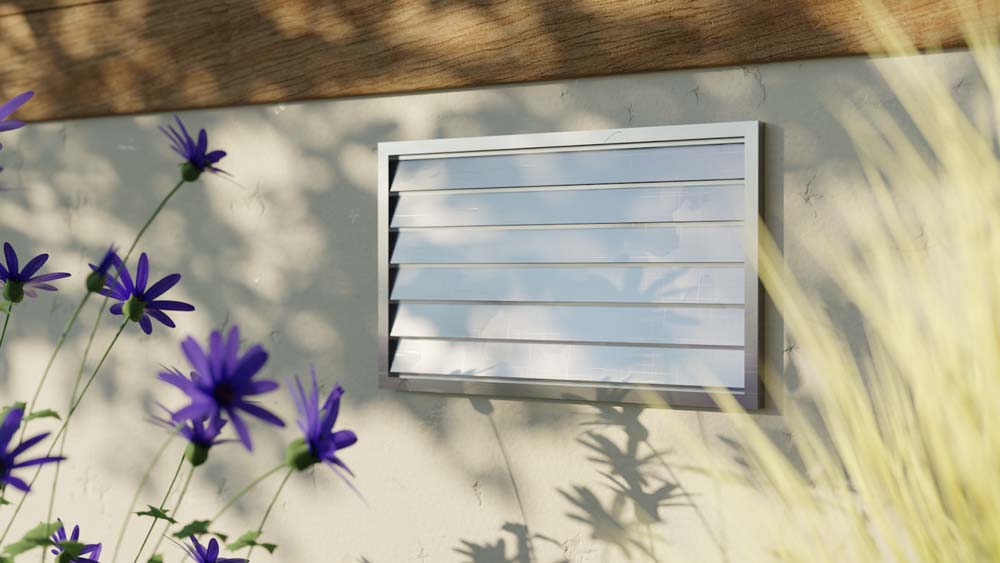
Flood vents are openings in a crawl space or garage wall designed to let floodwater flow in and out, so water pressure equalizes instead of pushing on the structure. When a vent fails, by clogging with debris, rusting shut, or being painted or sealed over, rising water cannot pass through. The water then sits against the foundation and raises hydrostatic pressure on the walls, which is the same force that drives bowing and seepage across Nebraska and Iowa. In our region, the bigger and more constant issue is usually not flash flooding but chronic moisture: a damp crawl space, a high water table near the Missouri River basin around Omaha and Council Bluffs, and seepage after spring snowmelt. Trapped water and poor crawl space ventilation feed humidity, soften framing, and keep the foundation under stress. The threshold that matters is standing water that does not drain, framing that stays wet, or pressure cracks appearing in the wall. Epp does not install or replace flood vents themselves, which fall under flood-zone construction requirements. What Epp addresses is the water and moisture problem behind the symptom, through crawl space encapsulation, sump systems, and foundation repair where pressure has already moved a wall. Handling the water source is what protects the structure.

Learn More
Concrete Floor Cracks Diagnosed by Cause, Not by Width Alone
18

Concrete Floor Cracks Diagnosed by Cause, Not by Width Alone

Epp Foundation Repair separates concrete floor cracks into four diagnostic categories before recommending any repair: shrinkage (cosmetic and inevitable), settlement (perimeter dropping), heave (center rising), and void (sub-slab support gone). Since 1994, Dave Epp and his crew have inspected roughly 18,000 homes across Lincoln, Omaha, Des Moines, Grand Island, Norfolk, and St. Joseph, and roughly 60% of the floor cracks they see are simple shrinkage cracks under 1/8 inch that require no repair at all. The remaining 40% point to a sub-slab cause. Eroded fill, plumbing leak, expansive clay heave, or perimeter settlement, and crack width alone is not enough to tell them apart. Pattern and re-measurement do the diagnostic work.

Learn More
Foundation Upheaval
19

Foundation Upheaval

Foundation upheaval happens when soil or moisture under a slab or footing expands and forces part of the foundation upward. Eastern Nebraska and western Iowa sit on expansive clay and loess soils with a high plasticity index. When that clay absorbs water from spring rain, snowmelt, or a plumbing leak under the slab, it swells and lifts whatever sits on top of it. Frost adds a second force. With frost penetrating 36 to 42 inches and 50 to 70 freeze-thaw cycles a year, saturated soil freezes, expands, and shoves footings up, then drops them when it thaws. The clearest threshold is a floor that has risen rather than dropped, often near the center of a slab or along a plumbing run. Upheaval cracks tend to point downward and outward from the high spot, the reverse of settlement cracks. Catching upheaval early matters because the longer the soil cycles wet and dry, the more the slab fractures and the more interior finishes, plumbing, and door frames get damaged. Early diagnosis often means a targeted moisture fix instead of a full slab tear-out.

Learn More
Improper Drainage
21

Improper Drainage

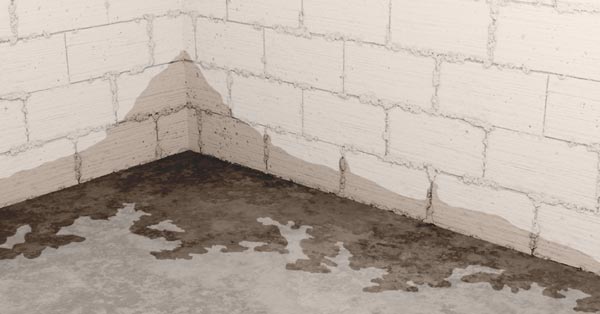
Improper drainage means water reaches the soil around your foundation and stays there instead of running off. Once that soil saturates, two things happen. Expansive clay and loess swell with the water, pressing inward and upward on foundation walls and footings. Then the saturated soil raises hydrostatic pressure against the wall, which is the main driver of bowing walls and basement seepage in Nebraska and Iowa. The wet-dry cycle makes it worse, because clay that swells after spring rain and snowmelt shrinks in dry summers, and that back-and-forth fatigues the foundation. Areas with a high water table, like the Missouri River basin near Omaha, Bellevue, and Council Bluffs, feel this most. The threshold that matters is when drainage problems start producing structural symptoms: cracks that grow, a wall that flexes inward, or recurring water in the basement. At that point the soil is actively working against the foundation. Epp does not perform standalone yard grading or landscape drainage. What Epp does is control how water affects the structure itself, through interior drain tile, sump systems, and foundation repair where movement has already begun. Catching it before the soil moves the foundation is far cheaper than repairing the structure afterward.

Learn More
22

Large Cracks from Shifting or Water Pressure

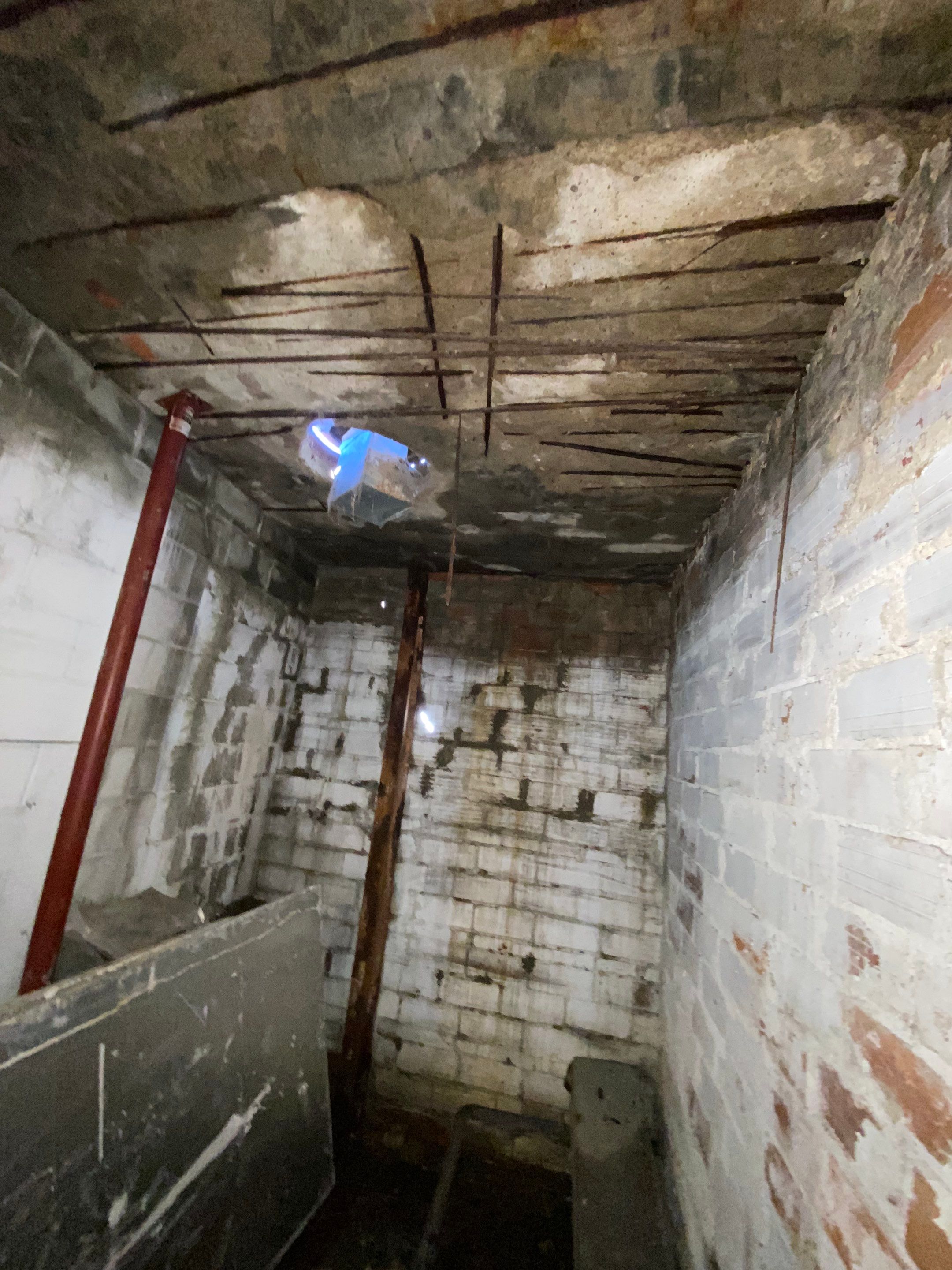
Large cracks in a foundation are a different problem than the thin lines common in new concrete. Width signals real movement or pressure. Foundation concrete handles compression well, around 3,000 to 4,000 psi, but resists tension poorly, only about 300 to 400 psi. So when soil shifts or water pushes against the wall, the concrete tears long before it crushes, and the crack widens as the force continues. In eastern Nebraska and western Iowa, two drivers dominate. Soil shifting comes from expansive clay and loess that swell when wet and shrink when dry, settling the foundation unevenly. Water pressure, called hydrostatic pressure, builds when saturated soil after spring rain or snowmelt presses against the wall, often where drainage is poor. The threshold worth watching is a crack wider than about a quarter inch, a crack that is actively growing, a crack with faces offset out of plane, or any crack that leaks water. Horizontal cracks in particular suggest soil pressure pushing the wall inward. Catching a large crack early matters because both shifting and pressure compound over time, and what starts as one wide crack can progress to a bowing or failing wall that needs far more extensive repair.

Learn More
Leaning Chimneys
23

Leaning Chimneys

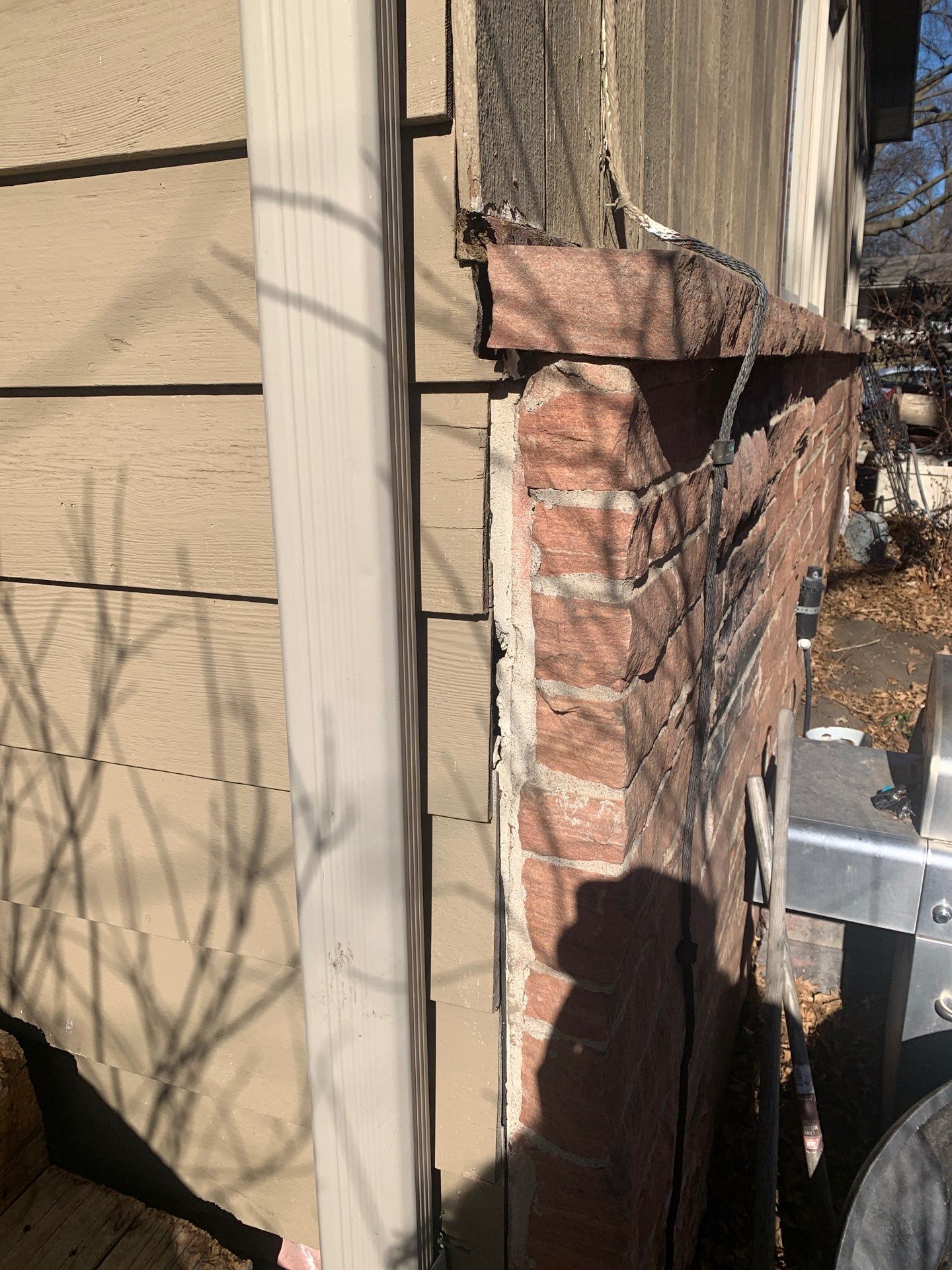
Epp Foundation Repair receives more leaning-chimney calls each spring than any other single symptom, and in 30-plus years, Dave Epp has never once found the chimney itself to be the problem. The masonry is sound. The soil beneath it is not. A chimney that tilts 1 to 4 inches away from the house at the top is broadcasting that its independent footing. Almost always shallower and narrower than the main house footing. Has settled, heaved, or rotated. Across older Lincoln, Omaha, Council Bluffs, and St. Joseph homes built between 1950 and 1975, chimney footings were routinely poured at 24 to 36 inches deep, well above the 42-inch frost line, and isolated from the main foundation. That construction choice is the single largest cause of leaning chimneys in the Epp service area, and it is fixable without rebuilding the masonry from grade.

Learn More
Sagging Floors
24

Sagging Floors

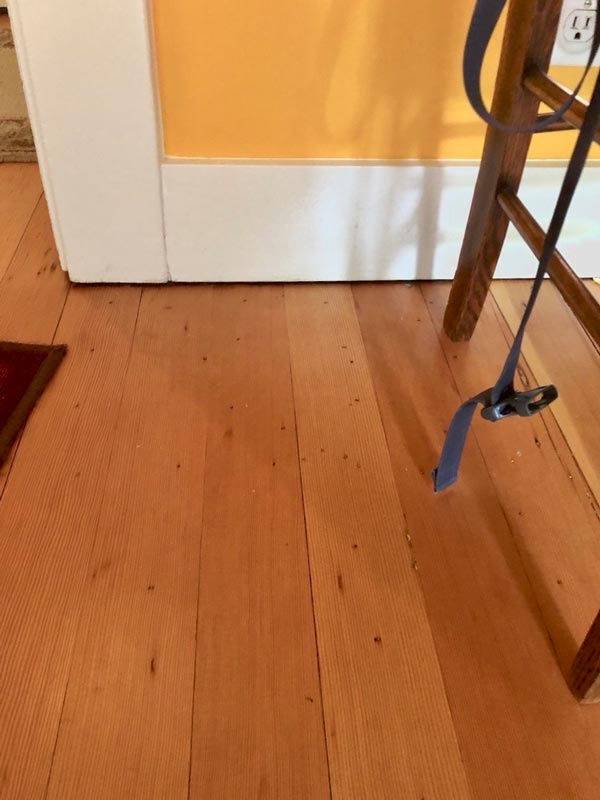
Epp Foundation Repair has crawled under more than 8,000 homes across Nebraska, Iowa, Kansas, and Missouri since 1994 to diagnose sagging floors, and the cause varies more than any other single symptom in foundation work. Dave Epp categorizes sagging floors into five distinct mechanisms: undersized joists, rotted sill plates, settled support posts, perimeter foundation settlement, and expansive clay heave on the opposite side. The visible sag at the surface looks identical across all five causes, but the structural fix is completely different for each one. Epp's standard protocol is a laser-level survey of the entire floor plus an inspection of the supporting framing from below before quoting any work. Because piering the foundation when the real problem is a 2x8 joist spanning 14 feet is a $15,000 mistake.

Learn More
Sagging Lintel Above Garage Door
25

Sagging Lintel Above Garage Door

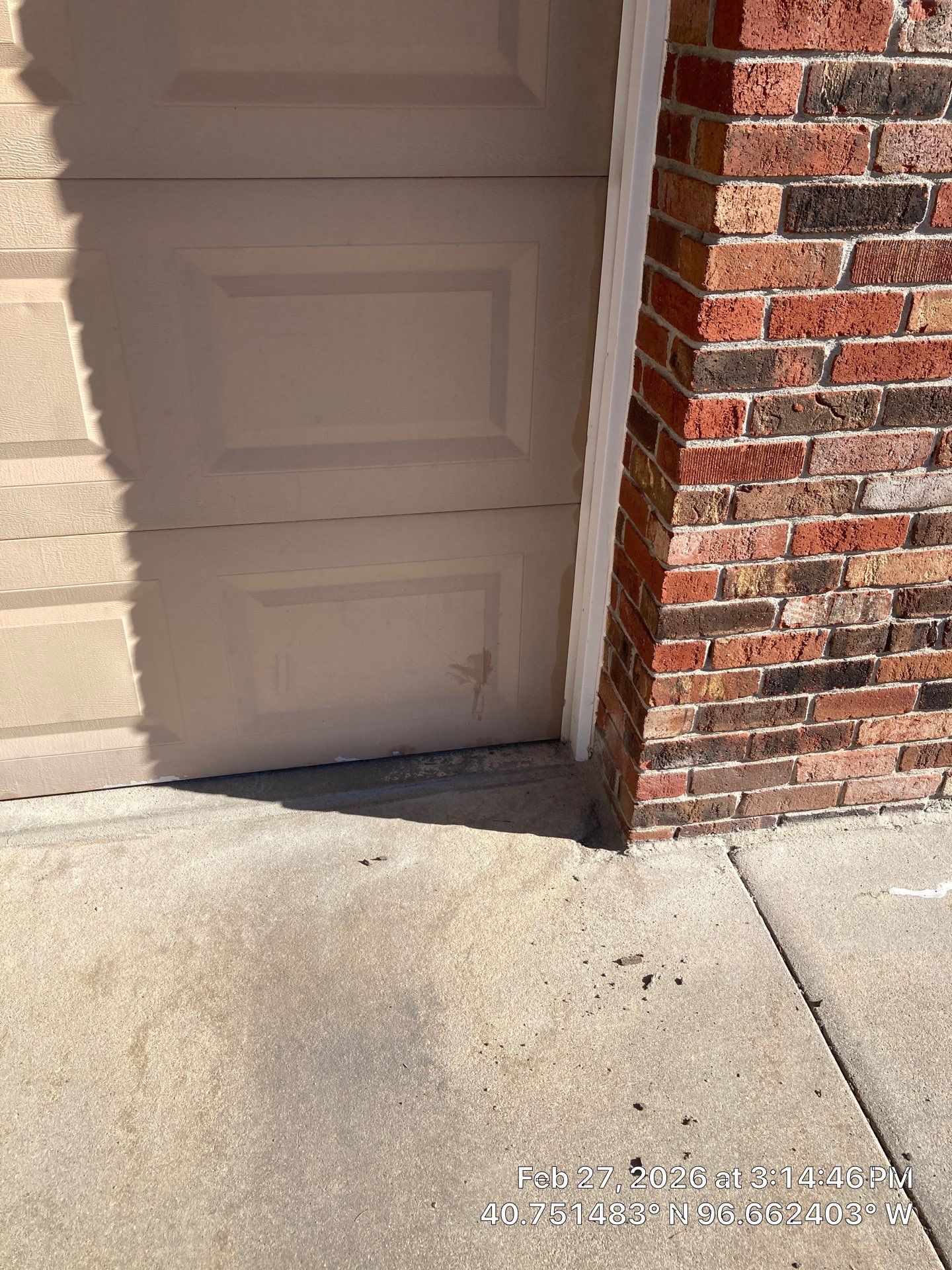
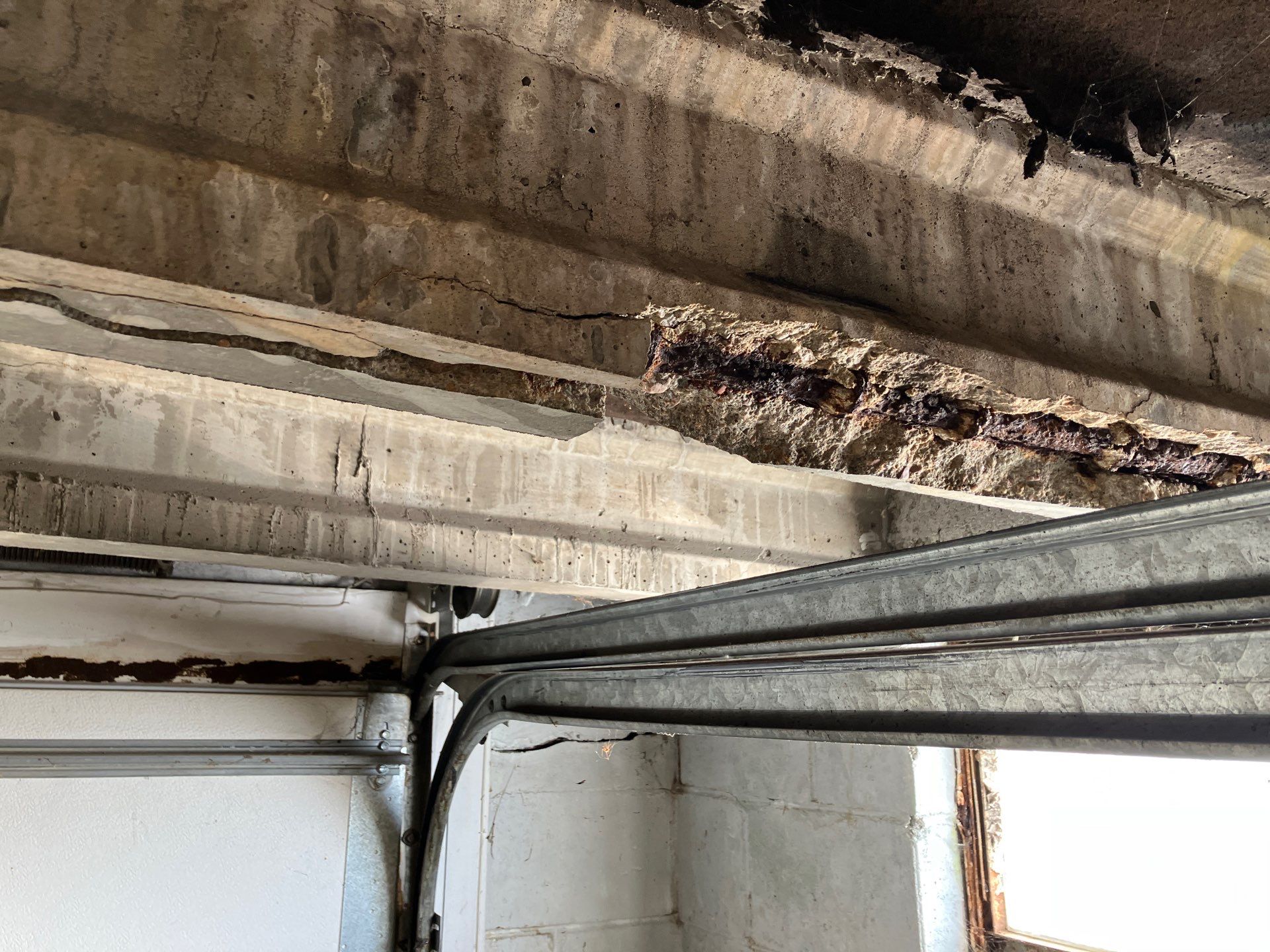
A lintel is the beam that spans the top of your garage opening and carries the wall, roof load, and sometimes a room above. A wide garage door creates one of the longest unsupported spans in the house, so any weakness shows up here first. Epp Foundation Repair sees sagging lintels start three ways: the original beam was undersized for the span, the supporting wall or footing on one side has settled, or water and freeze-thaw cycles have weakened the masonry holding it. In eastern Nebraska and western Iowa, the ground does most of the damage. Expansive clay and loess soils swell when wet and shrink when dry, and 50 to 70 freeze-thaw cycles a year work the footing up and down. When one side of the opening drops even half an inch, the lintel tilts and cracks open above the door. The reason to act early is simple. A lintel problem caught while it is cosmetic costs far less than one caught after the door binds, the header rotates, or the brick above starts to drop. The crack is the cheap warning. The structural failure is the expensive one.

Learn More
Sinking Foundation
26

Sinking Foundation

Epp Foundation Repair classifies a sinking foundation as a foundation that has dropped below its original elevation, but the drop itself is rarely the failure. The failure is what's underneath: hydroconsolidated loess collapsing under load, eroded backfill from a 30-year downspout discharge, a sub-slab void from a slow plumbing leak, or organic fill (compost, wood debris, old topsoil) left in place during 1960 to 1980s site prep. Dave Epp has watched all four causes produce the same visual symptom on the same block. That is why every Epp diagnosis starts with a laser-level elevation survey across the slab and footing, crack mapping with photo references, and a 30 to 90 day crack monitor before any pier is quoted. Stabilization is guaranteed. Lift is attempted. Typically 30 to 70% elevation recovery in NE/IA loess, and stated honestly on the written estimate.

Learn More
Stair-Step Cracks
27

Stair-Step Cracks

Epp Foundation Repair defines a stair-step crack as a diagonal crack that follows mortar joints up and across a block or brick wall, forming a stepped pattern that climbs at roughly 45 degrees. In a foundation wall the pattern is almost always a signature of differential movement. One corner has dropped, or one corner has heaved up relative to the rest. The exception is an isolated cosmetic crack in a single veneer brick where no foundation movement is involved. Dave Epp has cut into both situations for thirty years, and the only reliable way to tell them apart is a crack monitor and a 30 to 90 day re-measure. If the gap widens, the structure is moving and needs underpinning; if it holds, the crack is stable and a mason can repoint it for a few hundred dollars instead of several thousand.

Learn More
Sticking Doors and Windows
28

Sticking Doors and Windows

Epp Foundation Repair classifies a sticking door or window as one that binds in the frame, no longer latches cleanly, or has visibly racked out of square. Three causes produce nearly identical visual symptoms: foundation differential movement racking the rough opening, seasonal humidity swinging the wood door or window 1 to 3 mm of dimensional change, and worn weatherstripping or hinge hardware that has nothing to do with the structure at all. Dave Epp has been called to investigate all three for thirty years, and the diagnostic test is so simple homeowners can run the first part themselves: if the door sticks only in the wet half of the year, it is humidity; if it sticks year-round, the cause is structural; if it has progressively gotten harder to close over months or years, the cause is foundation movement. Epp Foundation Repair will not quote underpinning on a humidity case, and will not refer a homeowner to a window contractor when the foundation is the actual problem.

Learn More
Recent Projects

Recent foundation repair jobs from the field.

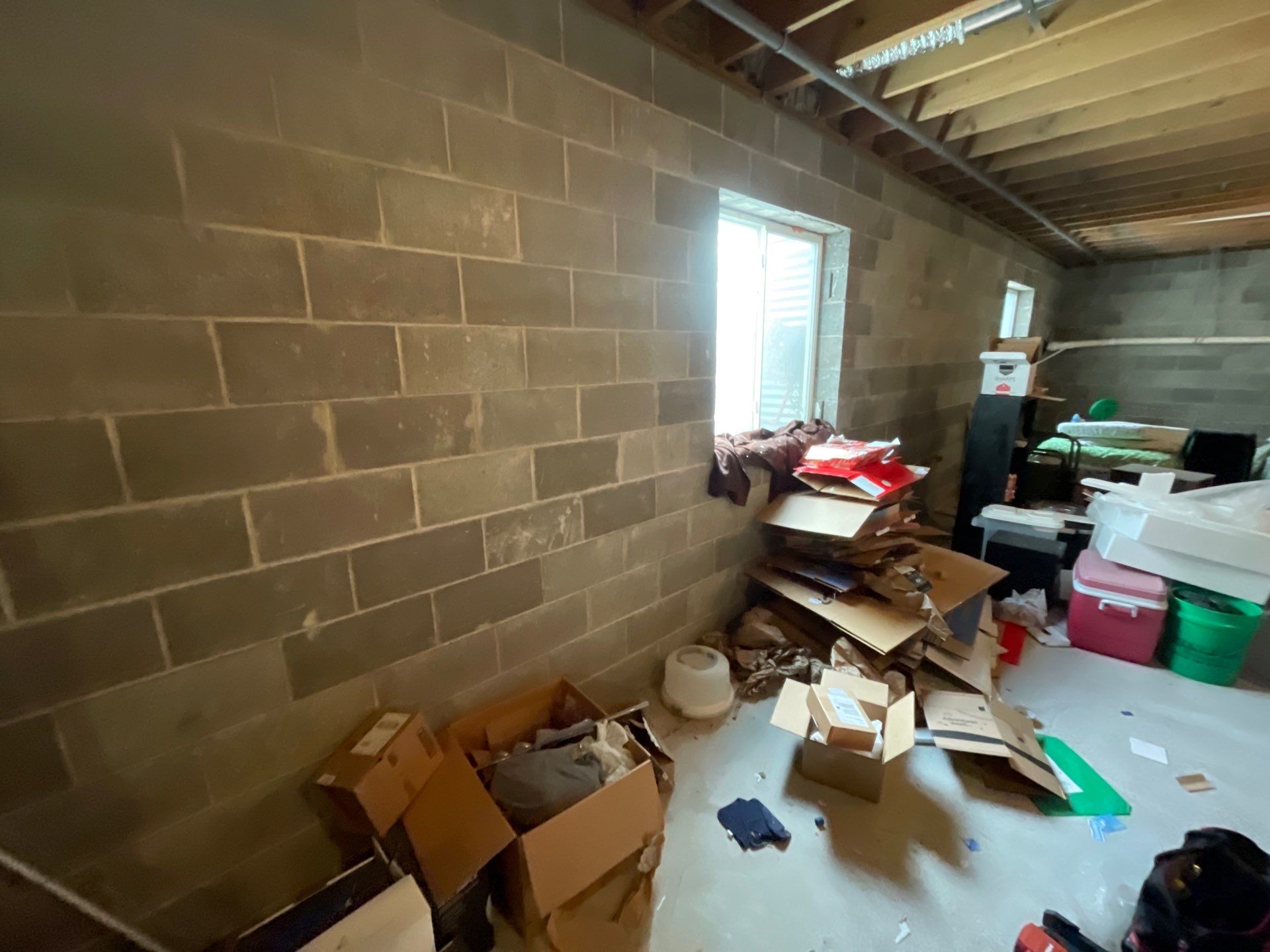
A selection of recent foundation repair projects completed across Nebraska, Iowa, Kansas, and Missouri. Every project shown was completed by Epp crews.
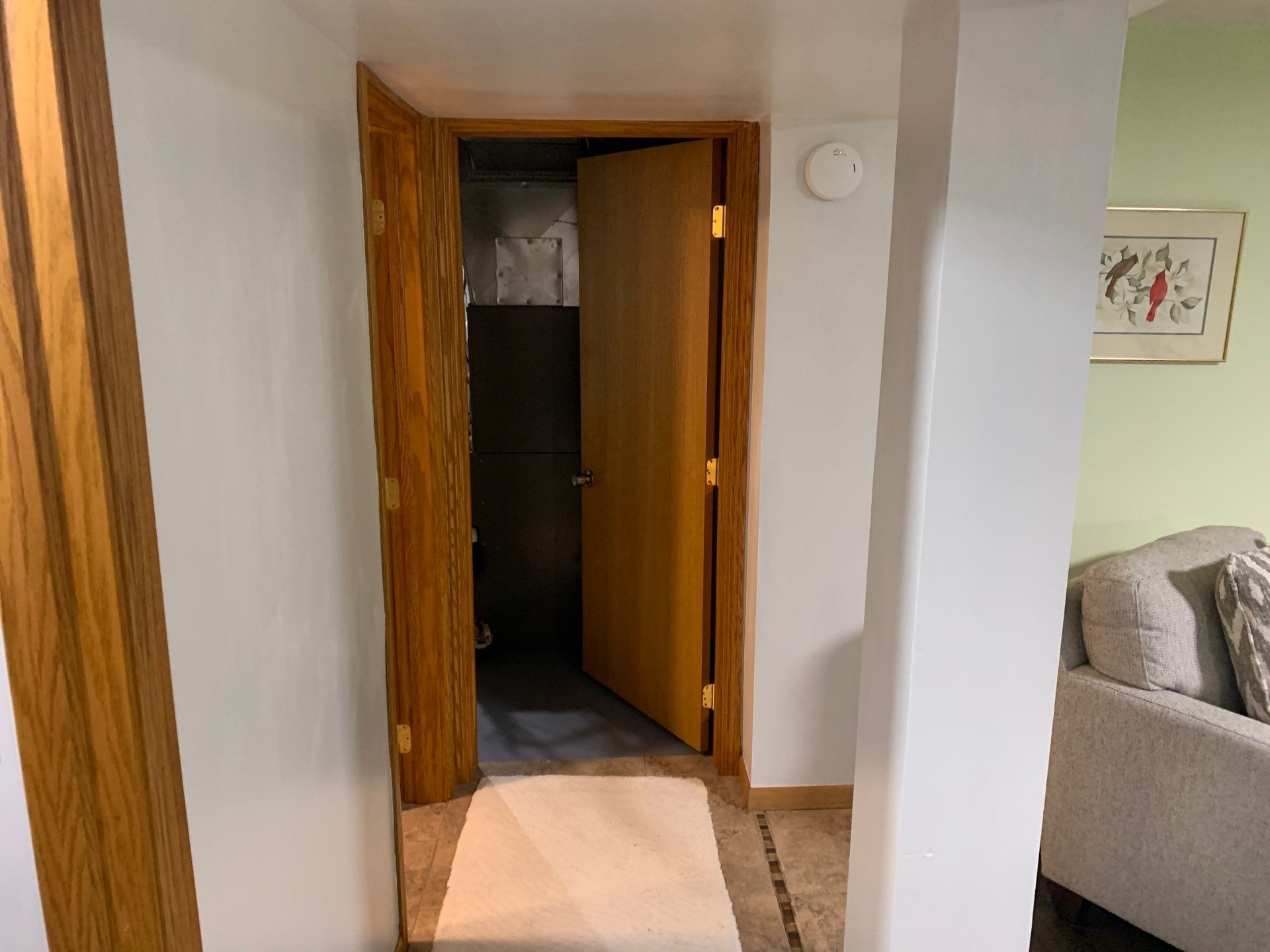
See the work behind a healthy home.

Explore detailed case studies of recent foundation, waterproofing, and concrete projects across Nebraska, Iowa, Kansas, and Missouri.

View All Projects
Why Choose Epp

Care and expertise from a team that's been doing this since 1994.

Epp Foundation Repair is locally owned and operated, with crews dedicated exclusively to foundation, basement, and concrete work across the Midwest.

Specialized expertise.

Foundation repair, waterproofing, and concrete leveling are our entire focus. not a sideline.

Locally owned since 1994.

Three decades of experience with Midwest soils, basements, and weather conditions.

BBB Integrity Award winner.

Recognized in 2011 and 2016 for ethical business practices and customer transparency.

Warrantied solutions.

Most product solutions carry 10 to 25-year warranties backed by the original installer.

EPP · SINCE 1994

Why hire Epp Foundation Repair.

MEET THE TEAM · 2 MIN
Frequently Asked Questions

Answers to common questions about foundation repair.

Don't see your question here? Our team is happy to help. Reach out anytime.

The clearest indicators we see in Midwest homes are: stair-step cracks in basement block wider than a dime, doors or windows that stick when they didn't last year, sloping floors, gaps between trim and the ceiling or floor, and bowing or leaning basement walls. Any one of these warrants an inspection. None of them get better on their own.

Pricing ranges above are general estimates only and are not project quotes. A precise figure is provided on each written estimate after on-site inspection.
Service Areas

Serving Nebraska, Iowa, Kansas & Missouri.

Local crews based in six regional offices, dispatched daily across four states. If your town isn't listed, call us. we likely serve your area.

Top cities we serve
Check Your Service Area
Our Process

Take the first step toward a healthy home.

A straightforward path from initial inspection to completed repairs.

Step 01

Schedule your inspection.

A local specialist visits your home, evaluates the foundation, and answers your questions on site. No cost, no obligation.

Step 02

Receive an estimate based on your needs.

We provide a clear, written estimate with a scope of work tailored to your home's specific issues. Typically within one business day.

Step 03

Get your repairs.

Our certified crews complete the work on schedule and back it with product warranties of up to 25 years.

Customer Reviews

Over 1,750 homeowners have shared their experience.

A 4.9-star average across Google, with verified reviews from homeowners throughout Nebraska, Iowa, Kansas, and Missouri.

Free Estimate

Two ways to start: book instantly, or request an estimate.

Schedule your inspection in seconds with our Driive booking tool, or share a few details and a local specialist will follow up within one business day.

What to expect
  • A local foundation specialist on site
  • A complete walk-through of the findings
  • A written estimate within one business day
  • No cost, no obligation, no high-pressure sales
Prefer to call
402-423-9192
Nebraska · Iowa · Kansas · MissouriSince 1994
Epp Foundation Repair

Let's take the first step toward a healthy home.

A local specialist will inspect your foundation, walk you through the findings, and send a clear estimate. no cost, no pressure.

Book instantly with Driive
BBB Accredited
Fully Insured
"By Your Side" Guarantee
Our Locations

Six regional offices across the Midwest.

See all service areas
Lincoln, NE
Epp Foundation Repair
1133 Libra Dr
Lincoln, NE 68512
402-566-5265
Omaha, NE
Epp Foundation Repair
12305 Gold St, Ste 2
Omaha, NE 68144
402-521-5081
Grand Island, NE
Epp Foundation Repair
802 Bronze Rd
Grand Island, NE 68803
308-303-3944
Norfolk, NE
Epp Foundation Repair
1105 S 13th St, Ste 205
Norfolk, NE 68701
402-792-4092
Clive, IA
Epp Foundation Repair
2175 NW 86th St #14c
Clive, IA 50325
515-349-5562
St. Joseph, MO
Epp Foundation Repair
2400 Frederick Ave, Suite 315
St. Joseph, MO 64506
816-549-2672