
10 Creative and Effective Sump Pump Discharge Ideas | Epp Foundation Repair
Explore sump pump discharge ideas with our ten innovative solutions to enhance your space while effectively draining water.
Jul 11, 2024

A sump pump is crucial in many homes, especially those prone to flooding or areas with a high water table. But what do you do with the water once it’s pumped out? This blog post explores ten creative sump pump discharge ideas to help homeowners manage excess water efficiently and attractively.
What is a Sump Pump, and How Does it Work?
A sump pump is a device installed in the lowest part of a basement or crawl space, typically in a sump pit, as part of a waterproofing system. Its primary function is to prevent flooding by collecting excess water from the soil away from your home and safely discharging it from the foundation. For a more detailed breakdown, you can read our guide on how sump pumps work to see how the float switch and motor interact. When the water level in the pit reaches a certain point, the sump pump activates and pumps the water out through a discharge pipe to a designated drainage area.
Where Should a Sump Pump Drain Water?
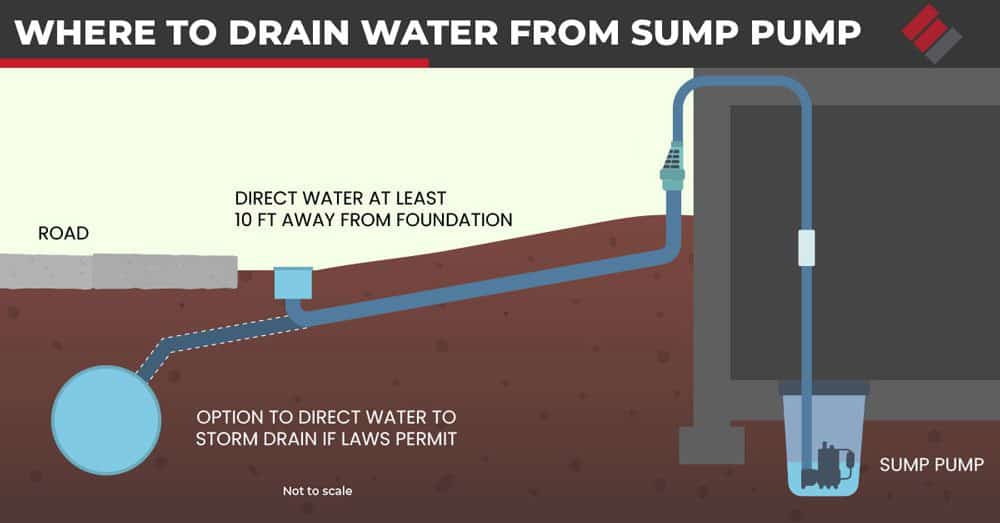
The water discharged by your sump pump should be directed at least 10 feet away from your home’s foundation to prevent soil erosion, basement or crawl space flooding, foundation damage, and the sump pump’s overworking due to recycling the excess water. The water can be discharged above or below the ground and into your yard. Understanding sump pump discharge basics is essential for ensuring the system remains efficient and the pit is properly protected from debris. If local laws permit, you may also discharge the water into a nearby storm drain.
When choosing a discharge location, following local codes and regulations is essential. Most codes prohibit water discharge into septic and sewer systems or near streets, sidewalks, and neighboring properties. If the system is not up to code, you may be liable to repair any damage caused to other properties by your discharge, and the home will be flagged during the inspection process if you want to sell the house.
It is also critical to factor in the slope of your yard when choosing a discharge location. Ideally, a discharge line should be installed at an angle to allow gravity to carry the water away from the foundation and prevent the pipe from freezing. However, if your yard is flat and regrading is not viable, an ice guard and a landscape bubble pot can be installed. An ice guard prevents sump pump discharge lines from freezing during cold weather. It is typically installed at the end of the discharge pipe and allows water to flow even if the end of the pipe is blocked with ice. Landscape bubble pots are partially buried in the ground and attached to the end of the discharge pipe. As water is pumped out, it collects in the pot and then gently overflows into the surrounding soil, allowing for gradual absorption.
Should You Bury Your Sump Pump Discharge Pipe?
Burying your sump pump discharge pipe can effectively manage the water without creating an eyesore or trip hazard, facilitate lawn maintenance, and minimize potential blockages. However, there are several factors to consider before burying the pipe:
- Local Regulations: Ensure that burying the pipe complies with local building codes and regulations.
- Proper Installation: Ensure the pipe is buried at least one foot below the frost line to prevent freezing and has a slight slope to facilitate water flow.
- Maintenance Access: Ensure you can still access the pipe for maintenance and cleaning to prevent clogs and blockages.
How Do You Winterize Sump Pump Discharge?
Winterizing your sump pump discharge is essential to prevent freezing and ensure the system operates efficiently throughout the colder months. Reviewing a comprehensive sump pump maintenance guide will help you keep the entire system in top shape as temperatures drop. Here are some steps to winterize your sump pump discharge:
- Insulate the Pipe: Use foam insulation or heat tape to keep the discharge pipe from freezing.
- Adjust the Pipe’s Angle: A gradual downward slope will facilitate water flow and prevent water accumulation that can freeze into blockages.
- Elevate the Outlet: Ensure the discharge outlet is raised above the typical snow level to prevent blockage.
- Install an Ice Guard: Consider installing an ice guard to ensure water flow despite a potential ice blockage.
10 Creative Sump Pump Discharge Ideas
The best yard drainage systems should seamlessly integrate into your landscaping. Here are ten creative and effective sump pump discharge ideas to help you manage excess water:
1. Paint the Pipe
Paint your sump pump discharge pipe to blend with your home’s exterior or landscaping to provide a bit of camouflage. However, be careful that it will not become a trip hazard or accidentally damaged during lawn maintenance.
2. Bury the Pipe
Burying the discharge pipe is a practical solution to keep it out of sight. Ensure proper installation to prevent freezing and facilitate easy maintenance.
3. Direct into a Storm Drain (If Local Laws Permit)
If local regulations allow, directing the sump pump discharge into a storm drain can efficiently manage excess water. Always check with local authorities before proceeding.
4. Build a False Wall
Construct a false wall or barrier to conceal the discharge pipe. This can be an attractive feature that blends seamlessly with your landscaping or home design.
5. Build an Enclosure
Create a small enclosure to hide the discharge pipe. This can keep the pipe out of sight while providing easy maintenance access. Design possibilities vary, from a decorative seating area to a potting bench or faux rocks.
6. Use Decorative Landscaping
Incorporate the discharge pipe into your landscaping design with decorative elements like rocks, shrubs, or flower beds. This can make the pipe a natural part of your garden.
7. Design a Rain Garden
A rain garden is a planted depression that allows rainwater runoff to be absorbed and filtered by the soil and vegetation. This method not only manages water effectively but also supports local wildlife and improves the overall beauty of your landscape. Choose native plants that thrive in wet conditions for the rain garden to ensure it requires minimal maintenance and provides a habitat for local insects and birds.
8. Create a Dry Well
A dry well is an underground structure specifically engineered to collect and disperse excess water, typically rainwater or runoff. Dry wells prevent flooding and soil erosion by allowing water to percolate slowly into the surrounding soil. They are practical and environmentally friendly, as they promote natural groundwater recharge and reduce the burden on stormwater systems.
9. Attach to a Rain Barrel
Connect the discharge pipe to a rain barrel to collect and reuse the water for gardening or other purposes. This eco-friendly option can help conserve water.
10. Create a Water Feature
Design a water feature like a pond, fountain, or waterfall that uses the sump pump discharge. This can be a stunning addition to your landscape and a practical solution for excess water.
What to Avoid When Installing a Sump Pump Discharge Line
When installing your sump pump discharge line, avoid these common pitfalls:
- Direct Discharge Near Foundation: Never discharge water directly next to your home’s foundation. Doing so can lead to erosion, flooding in your basement or crawl space, and excessive wear and tear on your sump pump.
- Insufficient Slope: Ensure the discharge pipe has a proper slope to facilitate water flow and prevent blockages.
- Ignoring Local Regulations: Always check and comply with local building codes and regulations when installing your sump pump discharge line.
- Lack of Maintenance: Regularly inspect and maintain the discharge pipe to prevent clogs and ensure efficient operation.
If you are considering DIY solutions for your sump pump discharge, we encourage you to read the article “Why DIY Foundation Waterproofing Is a Bad Idea” before attempting to tackle such a project. While we fully recognize that some of the creative solutions mentioned can be accomplished by a skilled DIY enthusiast, such as designing a rain garden or building a false wall, the actual installation of the sump pump and drainage pipe should be left to a professional to ensure the system is built to code and functions optimally.
A well-designed sump pump discharge system is essential for protecting your home from water damage. By implementing these creative and practical ideas, you can manage excess water efficiently while enhancing the visual appeal of your property.
Ready to take the next step? Contact our expert team today to schedule a quote for a custom drainage system and sump pump installation. Professional drainage solutions are one of the most effective ways to prevent basement flooding and protect your home’s foundation. We have over 30 years of experience and are eager to serve you. Our service area includes Nebraska and parts of Iowa, Kansas, and Missouri.
